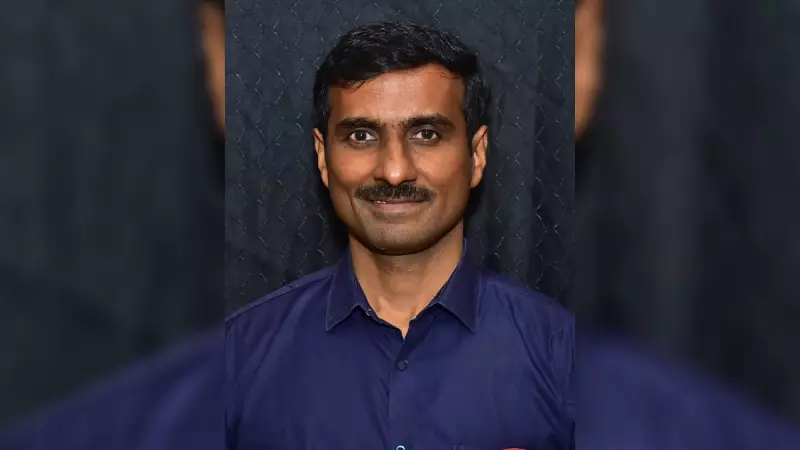
The Bengaluru NavaNirmana Party has issued a strong critique of the city's civic budget preparation process, labeling it as deeply flawed due to the absence of elected representatives and functional local bodies. Party founder and general secretary Srikanth Narasimhan emphasized that a budget crafted without genuine local participation fundamentally lacks both accountability and democratic legitimacy.
Absence of Democratic Structures
Narasimhan pointed to the critical gaps in Bengaluru's governance framework that undermine the budget process. With no elected corporators in place, functional ward committees operating effectively, or area sabhas facilitating community input, the current system operates in a vacuum of local representation. This structural deficiency means that financial decisions affecting millions of residents are made without the necessary grassroots involvement.
Questioning Participatory Governance
The party's statement raises fundamental questions about participatory governance in India's tech capital. A budget prepared without local representation is neither participatory nor accountable, Narasimhan asserted, highlighting how this approach contradicts principles of democratic decentralization. This criticism comes at a time when Bengaluru faces numerous urban challenges requiring community-driven solutions.

Implications for Urban Development
The absence of elected corporators and functional local bodies has significant implications for how budgetary allocations are determined and implemented. Without proper ward committees and area sabhas, there is limited mechanism for citizens to voice their priorities or hold officials responsible for expenditure outcomes. This creates a disconnect between the budget's provisions and the actual needs of Bengaluru's diverse neighborhoods.
Calls for Structural Reform
Narasimhan's comments underscore the urgent need for structural reforms in Bengaluru's municipal governance. The NavaNirmana Party's critique suggests that until proper local representation is restored through elected corporators and functional ward committees, the city's budget will remain a top-down exercise rather than a participatory process. This perspective adds to ongoing debates about urban governance reforms across Indian cities.
The party's statement, dated January 23, 2026, represents a significant intervention in discussions about municipal finance and democratic accountability. As Bengaluru continues to grapple with infrastructure challenges, environmental concerns, and quality-of-life issues, the method of budget preparation becomes increasingly critical to addressing these complex urban problems effectively.