BJP Condemns Hamid Ansari's 'Indian Lootera' Remark About Mahmud Ghazni
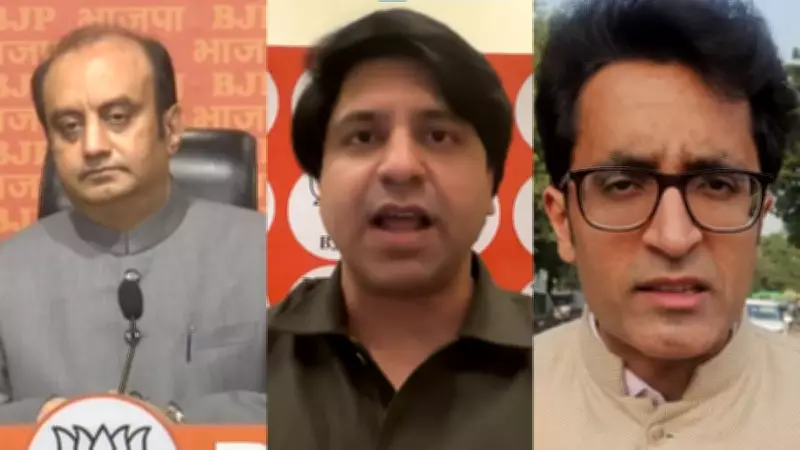
The Bharatiya Janata Party (BJP) has launched a sharp criticism against former Vice President Hamid Ansari for his recent comments describing Mahmud of Ghazni as an 'Indian lootera'. The party has labeled this characterization as reflective of a 'sick mindset' that misrepresents historical facts and undermines India's cultural heritage.
Controversy Over Historical Interpretation
In his remarks, Ansari reportedly referred to Mahmud Ghazni, the 11th-century ruler known for his raids into the Indian subcontinent, using the term 'lootera' (meaning plunderer or looter) while controversially prefixing it with 'Indian'. This has sparked a heated debate, with the BJP arguing that such a description is historically inaccurate and politically motivated.
The party asserts that Mahmud Ghazni was an external invader from the Ghaznavid Empire, based in present-day Afghanistan, and not an Indian figure. By attributing an Indian identity to him, Ansari is accused of distorting history to fit a particular narrative, which the BJP views as detrimental to national pride and historical understanding.

Political Reactions and Broader Implications
The BJP's response highlights ongoing tensions in Indian politics over the interpretation of history, especially concerning medieval invasions. Party spokespersons have emphasized that such remarks by a former high-ranking official like Ansari could influence public perception and education, potentially leading to a revisionist view of India's past.
This incident is part of a larger pattern where historical figures and events become focal points in political discourse, often reflecting deeper ideological divides. The BJP has consistently advocated for a narrative that celebrates India's indigenous cultures and resists what it sees as attempts to glorify or misrepresent foreign invasions.
Critics of the BJP, however, may argue that the party is overreacting to a semantic issue, but the strong language used—'sick mindset'—underscores the emotional and political weight attached to historical narratives in contemporary India.
Impact on Public Discourse
The controversy has reignited discussions about how history should be taught and remembered in India. Key points include:
- The importance of accurate historical representation in educational curricula.
- The role of political figures in shaping public memory and national identity.
- The potential for historical debates to influence current political and social dynamics.
As the debate unfolds, it remains to be seen whether this will lead to broader policy changes or remain a point of contention in India's vibrant political landscape. The BJP's firm stance signals its commitment to challenging what it perceives as historical distortions, while Ansari's supporters might defend his right to express alternative viewpoints.