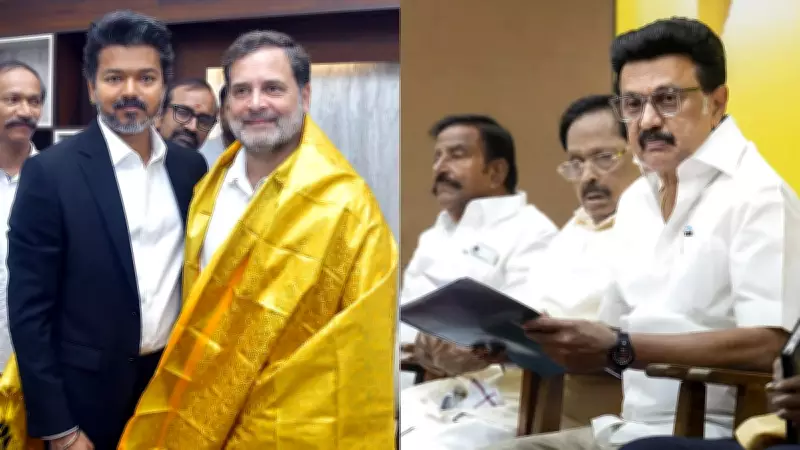
The central government is likely to reintroduce the Women's Reservation Bill in Parliament, aiming to capitalize on the political fallout between the Dravida Munnetra Kazhagam (DMK) and the Congress party. The bill, which seeks to reserve one-third of seats in the Lok Sabha and state assemblies for women, has been a long-pending legislative priority. However, sources indicate that the reintroduction is unlikely to occur during the upcoming Monsoon session. Instead, any such development is expected to unfold after the Uttar Pradesh assembly elections, scheduled for February next year.
Political Calculations Behind the Move
The timing of the bill's reintroduction is seen as a strategic move by the Bharatiya Janata Party (BJP)-led central government to exploit the rift between the DMK and Congress. The DMK, a key ally of the Congress in the opposition INDIA bloc, has recently expressed reservations over the Congress's stance on delimitation and other issues. By pushing the Women's Reservation Bill, the government aims to portray itself as a champion of women's empowerment while putting the opposition in a spot. The Congress, which has historically supported the bill, may find itself in a dilemma if the DMK opposes it due to concerns over seat allocation in Tamil Nadu.
Delimitation and Its Impact
The bill's fate is also intertwined with the ongoing debate over delimitation. The Women's Reservation Bill, passed in the Rajya Sabha in 2010 but lapsed in the Lok Sabha, has provisions that could be affected by the impending delimitation exercise. Delimitation, which redraws constituency boundaries based on population, is scheduled to take place after the first census of the decade. Southern states like Tamil Nadu fear that delimitation could reduce their parliamentary representation, and the DMK has been vocal in its opposition to any move that might disadvantage the region. The government's decision to link the bill with delimitation could further complicate matters.

Potential Timeline and Challenges
While the government is keen to reintroduce the bill, it faces several hurdles. The Monsoon session, which begins in July, is packed with other legislative business, leaving little room for a contentious debate on the bill. Moreover, the government may want to avoid a confrontation with the opposition before the Uttar Pradesh polls. Political analysts suggest that the bill could be introduced in the winter session of Parliament, post the UP elections, when the government might have a stronger mandate. However, even then, securing a two-thirds majority in both houses for a constitutional amendment remains a challenge.
Reactions from Political Parties
The Congress party has welcomed the possibility of the bill's reintroduction but has demanded that it be passed without any conditions. Party leaders have accused the government of using the bill as a political tool. The DMK, on the other hand, has not officially commented on the matter, but party insiders indicate that they will oppose any move that links the bill with delimitation. Other regional parties have also expressed mixed reactions. The bill's reintroduction is likely to reignite the debate on women's representation in Indian politics, a issue that has seen little progress despite widespread support.
In conclusion, the Women's Reservation Bill is poised to make a comeback in the political arena, albeit with careful timing and strategic maneuvering. The government's decision to wait until after the Uttar Pradesh polls suggests a cautious approach, aimed at maximizing political gains while minimizing risks. Whether the bill will finally become law remains to be seen, but its reintroduction marks a significant step in the ongoing struggle for gender equality in Indian politics.