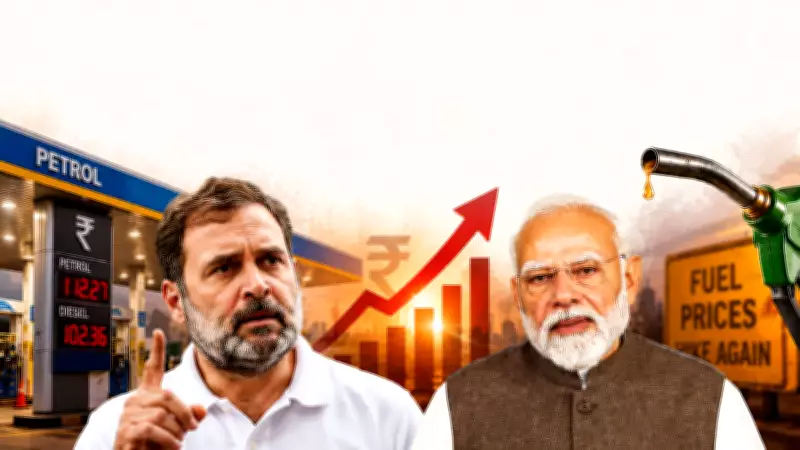
Fuel prices in India have been increased for the third time in just 10 days, with petrol, diesel, and CNG becoming costlier again on Saturday. The Congress party has sharply attacked Prime Minister Narendra Modi, labeling him as 'Mehengai Man Modi' and accusing the government of prioritizing oil company profits over public welfare. The latest hike comes amid rising global crude prices linked to tensions involving Iran.
Political Row Intensifies
Congress leaders have taken to social media and public platforms to criticize the government. They claim that the common citizen is being burdened while oil companies continue to report high profits. The opposition has demanded an immediate rollback of the price increases and a reduction in taxes on fuel.
Economic Impact
The repeated fuel price hikes are expected to have a cascading effect on the economy. Transportation costs will rise, leading to higher prices for essential commodities. This could fuel inflation and put additional pressure on household budgets. Economists warn that if global crude prices remain elevated, further increases may be inevitable.

Reasons Behind the Price Surge
Global crude oil prices have been climbing due to geopolitical tensions, particularly involving Iran. Supply concerns have driven up costs, which are being passed on to consumers. India, being a major importer of crude oil, is vulnerable to such fluctuations. The government has maintained that it is monitoring the situation and taking steps to ensure energy security.
The Congress party's attack comes at a time when the ruling Bharatiya Janata Party (BJP) is already facing criticism over rising prices of essential goods. The opposition is using the fuel price issue to rally public sentiment ahead of upcoming elections.
Meanwhile, the government has defended its actions, stating that the price revisions are necessary to align with global market realities and to maintain the financial health of oil marketing companies. Officials argue that the government has absorbed some of the increases in the past and that the current adjustments are minimal compared to global trends.
As the political debate rages on, common citizens are left to bear the brunt of the rising costs. The coming days will be crucial in determining whether the government will take any measures to provide relief or if the opposition will succeed in turning public opinion against the ruling party.