Congress to Convene All-Party Meeting on Women's Reservation Bill on April 15
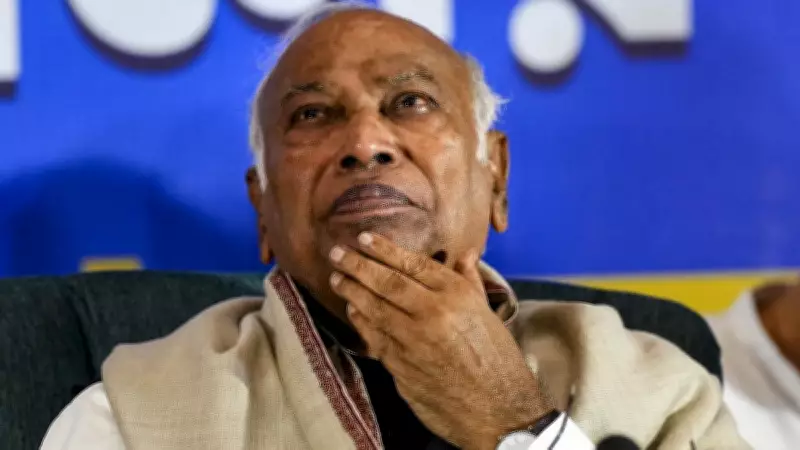
Congress President Mallikarjun Kharge has announced that the party will convene a crucial all-party meeting on April 15, 2026, to discuss the long-pending Women's Reservation Bill. This move comes amid ongoing debates and political maneuvering surrounding the legislation, which aims to reserve seats for women in legislative bodies across India.
Kharge's Statement on the Bill
In a significant development, Kharge maintained that the Congress party "fully supports" the Women's Reservation Bill, emphasizing its commitment to gender equality and women's representation in politics. However, he did not hold back in criticizing the Union government, slamming it for its unwillingness to hold wider consultations on the matter.
Kharge highlighted that the lack of broader discussions has hindered progress on the bill, which has been a contentious issue in Indian politics for decades. He argued that such consultations are essential to build consensus and ensure the legislation's effective implementation.

Background and Implications
The Women's Reservation Bill, first introduced in the 1990s, seeks to reserve one-third of seats in the Lok Sabha and state legislative assemblies for women. Despite bipartisan support in principle, it has faced numerous obstacles, including political disagreements and procedural delays.
The upcoming all-party meeting on April 15 is seen as a strategic step by the Congress to galvanize support and push for swift action. By bringing together various political factions, the party aims to foster dialogue and address concerns that have stalled the bill's passage.
Political Reactions and Future Outlook
Political analysts suggest that this move could reignite debates on women's empowerment and legislative reforms. Kharge's criticism of the government's approach underscores broader tensions in Indian politics, where consultation processes are often scrutinized.
As the meeting date approaches, stakeholders are watching closely to see if this initiative will lead to tangible progress or remain another chapter in the bill's protracted history. The outcome could have significant implications for gender representation and political dynamics in India.