Congress Accuses Government of Deepening Economic Inequality in India
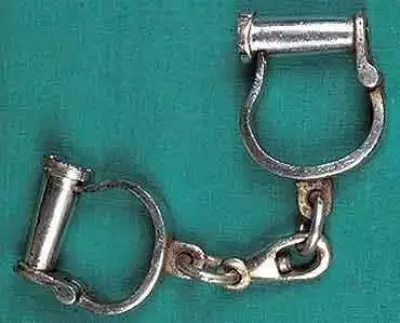
The Indian National Congress has made a startling historical comparison, alleging that economic inequality in contemporary India has deteriorated to levels worse than those experienced during the British Raj. This bold statement was issued on January 27, 2026, as part of the party's critique of the current economic landscape.
A Stark Historical Comparison
According to the Congress party's assessment, the concentration of wealth and economic gains has reached alarming proportions in modern India. The political organization contends that a minuscule sub-section of the population is systematically appropriating the "bulk" of economic benefits generated across the nation. This assertion draws a direct parallel to colonial-era economic structures, suggesting that contemporary disparities might even surpass those historical benchmarks.
The Struggle of the Masses
Simultaneously, the Congress statement paints a grim picture of economic hardship for ordinary citizens. The party emphasizes that while a privileged few accumulate disproportionate wealth, the vast majority of Indians continue to "struggle to survive" amidst rising costs and limited opportunities. This dichotomy between elite prosperity and mass deprivation forms the core of their critique.

The timing of this statement is particularly significant, coming amidst ongoing discussions about economic policy and distribution. By invoking the British Raj comparison, Congress aims to highlight what they perceive as systemic failures in addressing economic justice and equitable development.
Political Context and Implications
This allegation emerges within a charged political environment where economic performance remains a central debate. The Congress party's characterization of inequality serves as both political critique and policy challenge, questioning the effectiveness of current economic approaches. Their statement suggests that despite decades of independence, economic disparities have not only persisted but potentially intensified under certain governance models.
The British Raj reference carries particular symbolic weight, invoking historical memories of colonial exploitation to critique contemporary economic conditions. This rhetorical strategy underscores the party's attempt to frame current inequality as not merely an economic issue but a moral and historical one.
Broader Economic Discourse
This Congress statement contributes to ongoing national conversations about:
- Wealth distribution mechanisms
- Economic policy effectiveness
- Historical comparisons of living standards
- Political accountability for economic outcomes
The party's allegations about inequality surpassing British-era levels will likely fuel further debate about economic measurement, historical comparison methodologies, and policy prescriptions for creating a more equitable economic system.