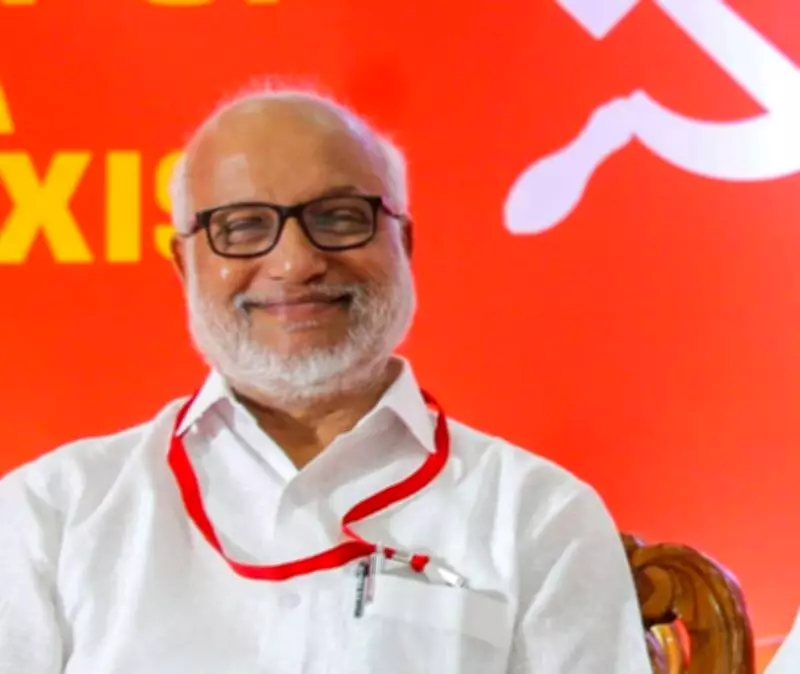
The Communist Party of India (Marxist) has launched a sharp critique of the Bharatiya Janata Party, accusing it of resorting to electoral tactics that include raids and defections to weaken opposition parties. The statement comes in the wake of several leaders from the Aam Aadmi Party (AAP) joining the BJP, a trend that the CPM claims is orchestrated by the ruling party to destabilize its rivals.
CPM's Allegations Against BJP
The CPM, in a strongly worded statement, said, "Where the BJP fails electorally, it resorts to a pattern of raid, defect, and reset." The party alleged that the BJP uses investigative agencies to conduct raids on opposition leaders, forcing them to defect to the saffron party. This strategy, the CPM claims, is aimed at resetting the political landscape in favor of the BJP.
Exodus of AAP Leaders
The recent exodus of AAP leaders to the BJP has been a focal point of political discourse. The CPM's remarks highlight a growing concern among opposition parties about the BJP's methods. The AAP, which has been a prominent opposition force in states like Punjab and Delhi, has seen several of its senior leaders cross over to the BJP, citing various reasons.

Political Implications
Political analysts suggest that this trend could have significant implications for the opposition unity ahead of the next general elections. The CPM's criticism underscores the challenges faced by non-BJP parties in retaining their cadre and leadership. The party has called for a united opposition to counter what it describes as the BJP's "undemocratic tactics."
Response from BJP
The BJP has dismissed the allegations, stating that leaders join the party voluntarily due to its development agenda and governance record. The party has accused the CPM of making baseless claims to cover up its own electoral failures.
Conclusion
The political landscape continues to evolve, with the CPM's allegations adding to the ongoing debate about the use of state machinery for political gains. As the exodus of AAP leaders continues, the opposition's response will be crucial in shaping the future of Indian politics.