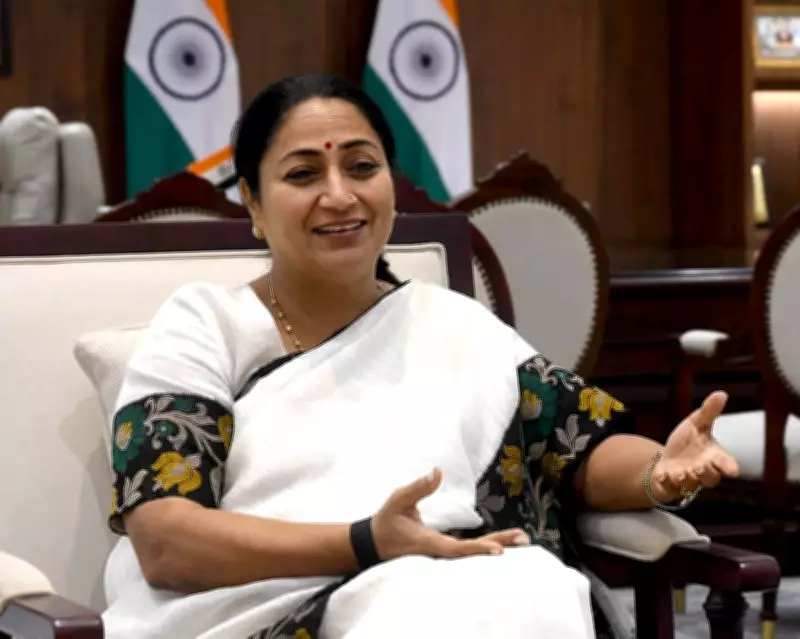
Delhi Chief Minister Rekha Gupta, in an interview with The Tribune, stated that her government is focused on preparing Delhi for the next generation rather than the next election. She highlighted the newly unveiled Electric Vehicle (EV) Policy as a key step to address the capital's chronic pollution problem.
Top Three Achievements in 18 Months
Gupta outlined three priority areas: building a clean and scientific waste management system, modernizing sewage infrastructure, and creating quality infrastructure for citizens. She emphasized that waste management is treated as an environmental and public health challenge, not routine civic work.
Yamuna Rejuvenation Progress
To clean the Yamuna, 37 existing sewage treatment plants have been upgraded, and 27 new plants are planned, with work orders issued for 13. One biogas plant is operational, and six more are proposed. This year, 3 million metric tonnes of waste have been removed from drains that previously flowed into the river.

Legacy Waste and Landfill Remediation
Progress on landfill remediation: 14% left in Okhla, 40% in Bhalswa, and 80% in Ghazipur. The government is committed to clearing Delhi of legacy waste.
EV Policy: Phasing Out Petrol Two-Wheelers
The new EV policy bans fresh registration of petrol-powered two-wheelers from April 1, 2028, and petrol/CNG autos from January 1, 2027. Existing vehicles are not affected. Incentives include up to Rs 30,000 for electric two-wheelers, Rs 50,000 for electric three-wheelers, and up to Rs 1 lakh for electric goods vehicles. Scrapping incentives of up to Rs 1 lakh for older private cars are also available.
Expanding Charging Infrastructure
The government plans to expand the EV charging network from 9,000 to 32,000 points through collaboration with power distribution companies, manufacturers, and resident welfare associations. The goal is to make charging available where people live, work, and shop.
Multi-Pronged Approach to Pollution
Gupta stated that pollution is multi-dimensional, with vehicular emissions, road dust, construction, waste burning, and regional factors all contributing. The government is pursuing an integrated strategy: expanding clean public transport, promoting rooftop solar, increasing green cover, and using technology for monitoring. She emphasized that pollution does not recognize administrative boundaries and that cooperation with neighboring states is ongoing.
2028 Timeline: Ambitious but Necessary
Regarding the 2028 phase-out deadline, Gupta said, "Ambitious goals are often the ones that transform societies. If governments continue to set comfortable targets, citizens will continue to live with uncomfortable realities." She stressed that the timeline provides certainty for manufacturers and citizens to plan the transition, with adequate infrastructure being built simultaneously.
Gupta concluded: "Our responsibility is to prepare Delhi not just for the next election, but for the next generation."