

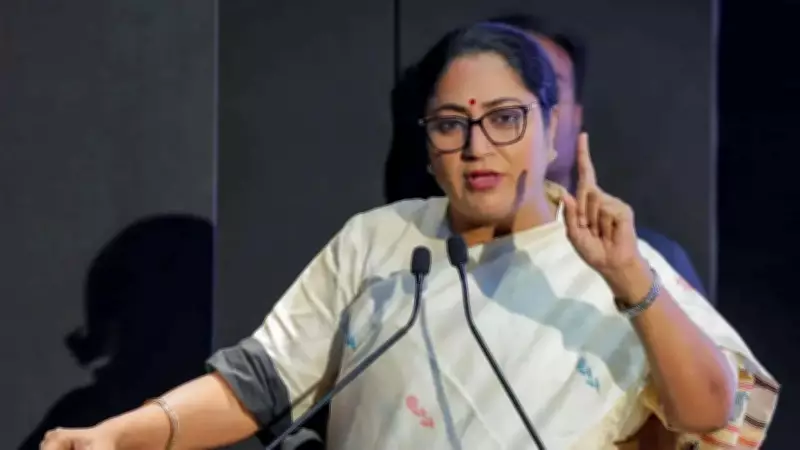
Delhi CM Rekha Gupta Condemns Kejriwal's Judicial Recusal Request as Undermining Democratic Trust
Delhi Chief Minister Rekha Gupta on Monday strongly criticized AAP convener Arvind Kejriwal's attempt to seek the recusal of a high court judge hearing the excise policy case, labeling it as "unfortunate" and warning that it risks eroding public confidence in democratic institutions.
High Court Judge Refuses Recusal in Liquor Policy Case
Delhi High Court judge Justice Swarana Kanta Sharma firmly rejected the pleas from Kejriwal and others for her withdrawal from the liquor policy case. In a judgment that lasted over an hour, Justice Sharma emphasized that a litigant cannot be allowed to judge a judge without any material basis, and judges cannot recuse themselves merely to satisfy unfounded apprehensions of bias.
Gupta stated that the high court's decision sends an unequivocal message that the independence, impartiality, and dignity of the judiciary are non-negotiable. She asserted, "The attempt by Kejriwal to cast aspersions on the judicial process and question the impartiality of a sitting high court judge is not only inappropriate but also deeply undermines the sanctity of democratic institutions."

Concerns Over Eroding Public Confidence in Justice System
The chief minister expressed grave concerns in her statement, noting that when individuals who have held high public offices engage in such conduct, it threatens to weaken public trust in the justice delivery system. She highlighted a troubling pattern where judicial orders are selectively accepted when convenient and questioned when not, stating that such double standards have no place in a constitutional democracy governed by the rule of law.
Gupta further elaborated that the court has rightly underscored that no individual, regardless of position or influence, is above the judicial process. She added that justice cannot be shaped by perception, nor can truth be altered through rhetoric or public discourse.
Background of the Excise Policy Case and Judicial Proceedings
Kejriwal is among several accused in the excise policy case, which involves allegations of corruption and violation of rules. Former Delhi chief minister Kejriwal had raised multiple objections against Justice Sharma hearing the CBI's plea against his discharge in the liquor-policy case. His objections included claims that she had previously denied him relief on his petition challenging his arrest and refused to grant bail to other accused, such as Manish Sisodia and K Kavitha.
In a significant development on February 27, the trial court discharged Kejriwal, Sisodia, and others in the Delhi liquor-policy case. The court ruled that the CBI's case was wholly unable to survive judicial scrutiny and stood discredited in its entirety.
Justice Sharma emphasized in her judgment that a political leader cannot be allowed to damage an institution without any basis, as a personal attack on a judge constitutes an attack on the judiciary itself. She stated, "A politician cannot be permitted to cross the boundary and sit in judgment over the competence of a judge."
This case continues to highlight the tensions between political figures and judicial authorities, with implications for the integrity of India's democratic framework.






