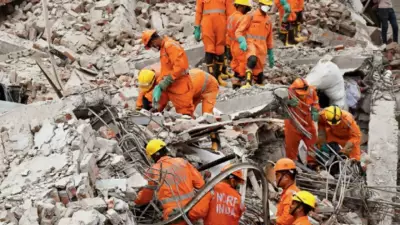
In a tragic incident that has shaken the national capital, a massive fire in a Delhi building has exposed a deep-rooted nexus of greed, negligence, and bribery. The blaze, which claimed several lives, has brought to light the alarming disregard for safety norms and the corrupt practices that enable such disasters. Rajat Sharma, in his prime-time show 'Aaj Ki Baat', delivered a hard-hitting blog opinion piece, dissecting the series of failures that led to the inferno.
The Tragedy Unfolds
The fire broke out in a commercial building in the heart of Delhi, quickly engulfing multiple floors. Despite efforts by firefighters, the death toll rose as many were trapped inside. Survivors recount harrowing tales of escape, while families mourn their loved ones. The incident has sparked outrage, with many questioning how such a catastrophe could occur in a city that prides itself on development.
Greed Over Safety
Investigations reveal that the building lacked basic fire safety measures. Fire extinguishers were absent, emergency exits were blocked, and the electrical wiring was substandard. Property owners, driven by profit, had converted the building into a crowded workspace without obtaining necessary approvals. Tenants were packed in like sardines, with little regard for their safety. This greed for maximum rental income came at the cost of human lives.

Negligence by Authorities
The municipal corporation and fire department had reportedly issued multiple notices to the building owners over the past year. However, these warnings were ignored. Inspectors either turned a blind eye or were bribed to overlook violations. The system failed to enforce compliance, allowing the building to operate as a death trap. Negligence at every level—from the owners to the regulators—created the perfect storm for disaster.
The Bribery Racket
Rajat Sharma's blog highlights a disturbing pattern: bribes were paid to officials to secure no-objection certificates and to avoid penalties. This corrupt nexus ensured that safety norms were never implemented. The fire is not just an accident; it is a crime born out of a culture of corruption. Many such buildings across Delhi operate under similar conditions, waiting for the next spark to ignite.
Voices of the Victims
Families of the deceased have demanded justice. They accuse the administration of complicity and call for strict action against the guilty. Emotional protests have erupted, with slogans demanding accountability. The tragedy has united people in anger, but will it lead to real change?
The Need for Systemic Reform
This inferno is a stark reminder that India's urban safety standards are in shambles. There is an urgent need for a comprehensive audit of all commercial buildings, strict enforcement of fire codes, and a crackdown on corruption. Rajat Sharma's call for a zero-tolerance policy towards negligence and bribery resonates with millions. Only when the guilty are punished and systems are overhauled can such tragedies be prevented.
As Delhi reels from the shock, the nation watches closely. Will this be another incident that fades from memory, or will it spark a revolution in safety and governance? The answer lies in the hands of the authorities and the people.