

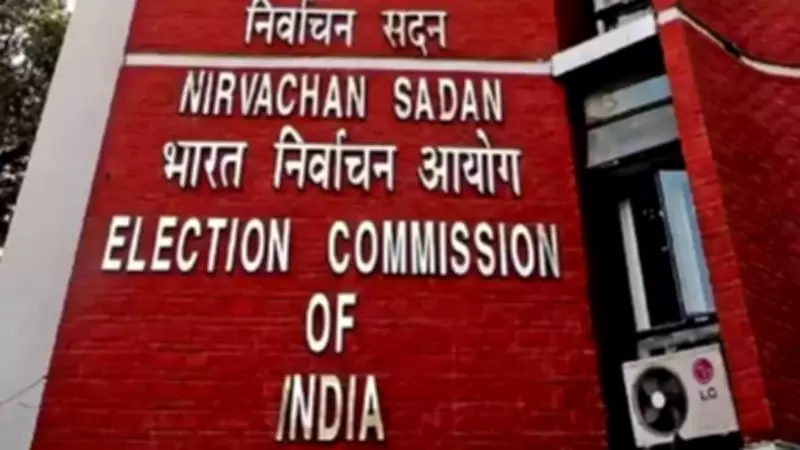
Election Commission Revises Symbol Rules to Support Genuine Unrecognized Parties
In a significant move to bolster the participation of genuine registered unrecognized political parties (RUPPs) in India's electoral process, the Election Commission on Saturday amended the Election Symbols Order. The amendment specifically allows all candidates fielded by an RUPP to use a common symbol if the party secured at least 1% of the total valid votes in one of the two previous elections held in a given state.
Key Changes to the Symbol Concession Policy
Previously, the provision permitted this concession for a third time only under stricter conditions. An RUPP had to have contested the two previous polls in that state using a common symbol and achieved a minimum of 1% of the valid votes in the most recent election. The new amendment relaxes these requirements, focusing on performance in either of the last two elections rather than the latest one alone.
According to Para 10(B) of the Election Symbols (Reservation and Allotment) Order, 1968, a common symbol may be allocated to all candidates of an RUPP that has previously utilized this concession at any two Lok Sabha elections, any two assembly elections, or a combination of one Lok Sabha and one assembly poll in the state, as chosen by the party.

Rationale Behind the Amendment
Sources within the Election Commission explained that the amendment aims to assist RUPPs that demonstrated strong performance when initially granted the common symbol concession but failed to meet the 1% vote threshold in the subsequent election within the state. An EC official stated, "It was felt that they must be given a third chance even if they could meet the 1% voteshare criteria in one of the last two polls contested."
The overarching goal is to facilitate genuine RUPPs in engaging more effectively in the democratic and electoral framework. This supportive approach stands in stark contrast to the stringent actions taken against defunct and inactive RUPPs over the past year.
Crackdown on Inactive RUPPs
In a parallel effort to cleanse the electoral system, the Election Commission has delisted a total of 808 RUPPs. This decisive action was based on these parties' failure to comply with statutory registration conditions, such as not contesting elections for over six years and/or neglecting to file mandatory annual financial documents. These documents include contribution reports, annual audit reports, and expenditure statements with the Election Commission.
RUPPs are entitled to various benefits, including income-tax exemption concessions, the use of a common poll symbol, and preference over Independent candidates on ballot papers. The delisting underscores the EC's commitment to ensuring that only active and compliant parties retain these privileges.
Balancing Support and Accountability
The Election Commission's dual strategy reflects a nuanced approach to electoral governance. By easing symbol rules for performing RUPPs, it encourages broader political participation and diversity. Simultaneously, by purging inactive entities, it maintains the integrity and accountability of the political party system.
This amendment is expected to impact upcoming state and national elections, potentially increasing the visibility and cohesion of smaller, yet genuine, political groups. It aligns with broader democratic principles of inclusion while upholding regulatory standards to prevent misuse of electoral benefits.






