

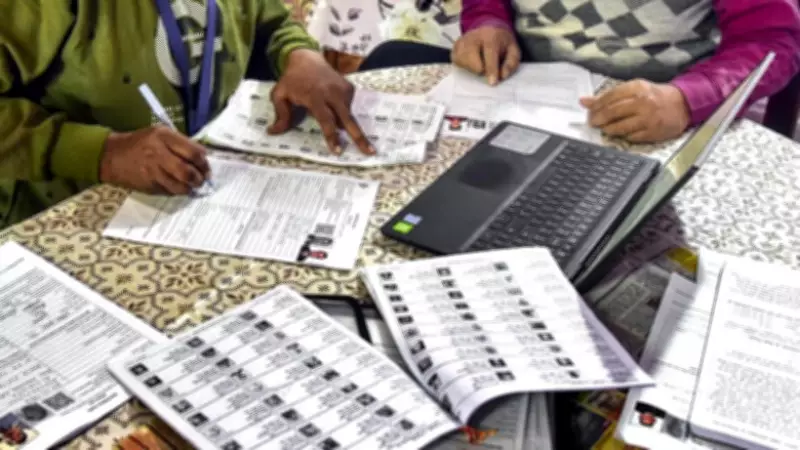
Election Commission to Nationwide Roll Out SIR System Post-April Assembly Elections
The Election Commission of India (EC) is set to significantly expand its voter verification framework by implementing the Seeding of Identity and Residence (SIR) system across all remaining states and union territories. This strategic move is scheduled to commence after the conclusion of the upcoming assembly elections in April, marking a pivotal step toward bolstering electoral transparency and security nationwide.
Comprehensive Implementation Across 22 States and Union Territories
Currently operational in select regions, the SIR system will be extended to cover 22 states and union territories that have not yet adopted this advanced verification mechanism. The EC's decision follows a thorough assessment of the system's effectiveness in previous electoral cycles, where it demonstrated notable success in reducing discrepancies and enhancing the accuracy of voter rolls. By integrating SIR post-April, the commission aims to create a uniform and robust electoral infrastructure that addresses challenges such as duplicate entries and fraudulent registrations.
Key Features and Benefits of the SIR System
The SIR system is designed to verify and authenticate voter identities by cross-referencing data from multiple government databases, including Aadhaar, passport records, and utility bills. This multi-layered approach ensures that only eligible citizens are enrolled, thereby minimizing the risk of electoral malpractices. Key benefits include:

- Enhanced Accuracy: By seeding identity and residence details, the system reduces errors in voter lists, leading to more reliable electoral outcomes.
- Improved Security: Advanced verification protocols help prevent impersonation and other forms of voter fraud, safeguarding the integrity of the democratic process.
- Streamlined Processes: The automation of data verification speeds up voter registration and updates, making the system more efficient for both officials and citizens.
Moreover, the EC has emphasized that the rollout will be phased to allow for adequate training of election personnel and public awareness campaigns, ensuring a smooth transition without disrupting ongoing electoral activities.
Timeline and Strategic Considerations
The implementation is strategically timed after the April assembly polls to avoid any interference with current election preparations. This period will enable the EC to gather feedback from the concluded elections and make necessary adjustments to the SIR system before its nationwide deployment. Officials have highlighted that the expansion aligns with the commission's long-term vision of leveraging technology to modernize India's electoral framework, in line with global best practices.
In addition, the EC plans to collaborate with state governments and local authorities to facilitate data integration and address any logistical challenges. This collaborative effort is expected to enhance coordination and ensure that the system is tailored to meet regional needs while maintaining national standards.
Impact on Future Elections and Electoral Reforms
The nationwide rollout of the SIR system is anticipated to have a profound impact on future elections, including the 2024 Lok Sabha polls. By establishing a more transparent and accountable voter verification process, the EC aims to boost public confidence in the electoral system and encourage higher voter participation. This initiative is part of a broader suite of electoral reforms undertaken by the commission, which includes measures like online voter registration and the use of Voter Verifiable Paper Audit Trails (VVPATs).
Experts have welcomed the move, noting that it represents a significant advancement in India's electoral technology landscape. However, they also caution that success will depend on effective implementation and continuous monitoring to address potential issues such as data privacy concerns and technical glitches.

Overall, the EC's plan to expand the SIR system underscores its commitment to ensuring free, fair, and credible elections across the country. As the April assembly polls approach, all eyes will be on how this preparatory phase sets the stage for a more secure and efficient electoral process in the years to come.





