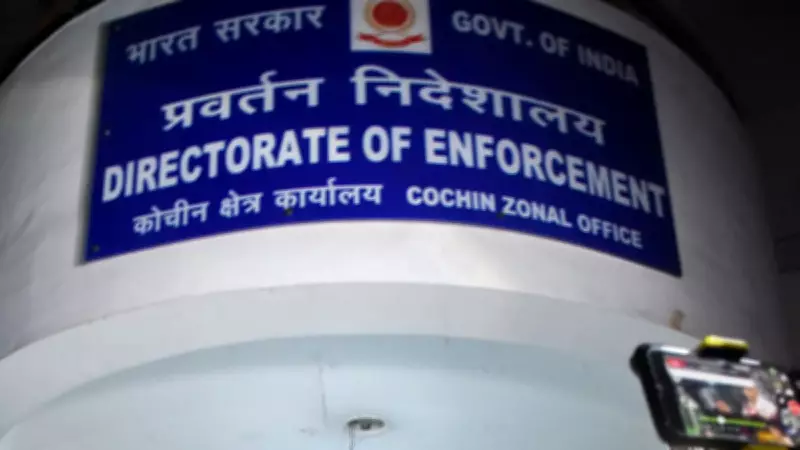
Enforcement Directorate Intensifies Probe with Fresh Raids at IPAC Offices
The Enforcement Directorate (ED) has escalated its investigation into the high-profile coal smuggling case in West Bengal by conducting fresh raids at the premises of the Indian Political Action Committee (IPAC) across three cities. This development marks a significant intensification of the agency's probe into alleged financial irregularities linked to the multi-crore scam.
Simultaneous Operations Across Multiple Locations
According to official sources, the raids were carried out simultaneously in Kolkata, Howrah, and Asansol, targeting offices and other facilities associated with IPAC. The ED teams, armed with search warrants, seized electronic devices, documents, and financial records believed to be crucial for unraveling the complex web of transactions in the coal smuggling case.
The coal smuggling case, which has been under investigation for several years, involves allegations of illegal mining, transportation, and sale of coal from state-owned mines in West Bengal. Authorities estimate that the scam has caused losses running into thousands of crores of rupees to the exchequer, with proceeds allegedly funneled through a network of shell companies and political entities.

IPAC's Role Under Scrutiny
IPAC, a prominent political consultancy firm known for its association with various political campaigns across India, has come under the ED's scanner for its alleged involvement in facilitating financial transactions related to the coal smuggling operations. While IPAC has not issued an official statement following the raids, sources close to the firm have denied any wrongdoing, asserting full cooperation with the investigating agencies.
The timing of these raids is particularly noteworthy, as they coincide with heightened political activity in the state. Analysts suggest that the ED's actions could have far-reaching implications for the political landscape in West Bengal, potentially influencing upcoming electoral dynamics and public perception.
Legal and Investigative Framework
The ED is conducting these raids under the provisions of the Prevention of Money Laundering Act (PMLA), which empowers the agency to investigate and prosecute cases involving the laundering of illicit funds. The agency has been meticulously piecing together evidence from previous raids, witness statements, and forensic audits to build a comprehensive case against the accused.
- Seizure of digital evidence including hard drives, smartphones, and servers
- Examination of financial documents detailing transactions and fund flows
- Interrogation of key personnel associated with IPAC and linked entities
- Coordination with other agencies like the CBI and state police for a multi-pronged approach
Broader Implications and Public Response
This latest round of raids has sparked widespread debate and speculation among political circles and the general public. While some view it as a necessary step towards accountability and transparency, others have raised concerns about the potential misuse of investigative agencies for political vendettas. The ED, however, maintains that its actions are strictly based on evidence and legal mandates, with no political motivations involved.
As the investigation progresses, all eyes are on the ED's findings and the subsequent legal proceedings. The outcome of this probe could set a precedent for how similar cases of economic offenses are handled in the future, reinforcing the importance of robust mechanisms to combat financial crimes and corruption.