

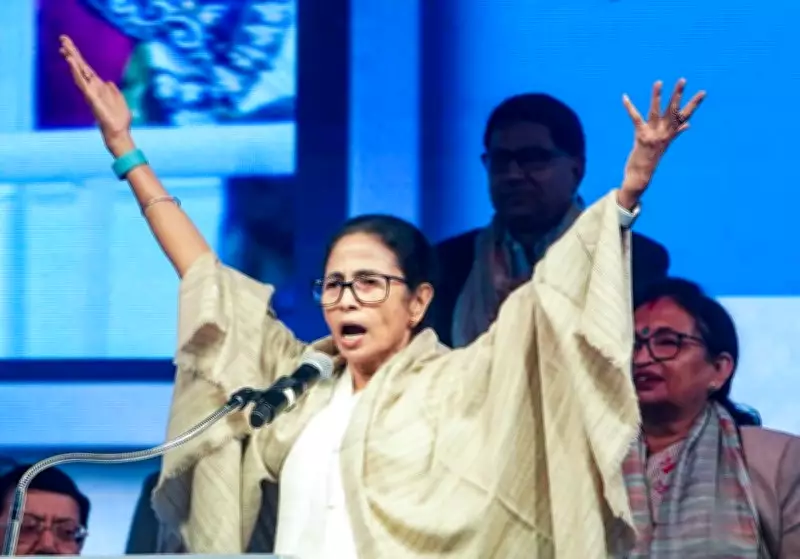
The sad fact is that even Mamata Banerjee, the doughtiest fighter in the Opposition and its most tireless worker, had lost control over her party and government. This statement, while stark, reflects a broader malaise that extends beyond individual leaders to the very fabric of our society. The entitlement of the elite, indifference to waste and public transport, and ignoring uncomfortable truths are all part of the education that we have forgotten to emphasise sufficiently.
The Entitlement of the Elite
In contemporary India, a growing sense of entitlement among the privileged classes has become increasingly evident. This entitlement manifests in various ways, from demanding special treatment in public spaces to a blatant disregard for rules and regulations that apply to ordinary citizens. The elite often believe that their status exempts them from the responsibilities that come with citizenship. This mindset is not only detrimental to social harmony but also undermines the principles of equality and justice that form the bedrock of our democracy.
Moreover, this entitlement is perpetuated by an education system that prioritises academic achievement and material success over character building and civic sense. Students are taught to compete ruthlessly for grades and jobs, but rarely are they instructed in the values of empathy, humility, and social responsibility. As a result, a generation of young Indians is growing up with a skewed sense of priorities, where personal advancement is valued above collective well-being.

Indifference to Waste and Public Transport
Another troubling aspect of modern Indian society is the widespread indifference to waste and public transport. The streets of our cities are littered with garbage, and public transport systems are often neglected in favour of private vehicles. This indifference is not merely a matter of poor governance but reflects a deeper cultural attitude that devalues communal spaces and resources. The elite, in particular, are guilty of contributing to this problem, as they often opt for personalised modes of transport and generate disproportionate amounts of waste without a second thought.
The consequences of this indifference are far-reaching. Environmental degradation, traffic congestion, and health hazards are just a few of the problems that arise from our collective neglect. Furthermore, the lack of investment in efficient public transport systems exacerbates social inequality, as those who cannot afford private vehicles are left with inadequate options for mobility.
Ignoring Uncomfortable Truths
Perhaps most concerning is the tendency among the elite to ignore uncomfortable truths. Whether it is the reality of climate change, the persistence of poverty, or the failures of our political system, there is a pervasive reluctance to confront issues that challenge the status quo. This denial is often accompanied by a sense of complacency that stems from privilege. Those who are comfortable in their lives find it easier to look away from the suffering of others, believing that it does not affect them.
This attitude is particularly dangerous in a democracy, where an informed and engaged citizenry is essential for holding leaders accountable. When the elite choose to ignore pressing problems, they not only fail in their duty as citizens but also set a poor example for others. The result is a society that is increasingly polarised and ill-equipped to address its most critical challenges.
The Lost Lessons of Education
All of these issues point to a fundamental failure in our education system. While schools and colleges excel at imparting technical knowledge and skills, they often neglect the holistic development of students. The lessons that we have forgotten to emphasise sufficiently include the importance of civic duty, environmental stewardship, and social justice. Education should not only prepare individuals for careers but also equip them with the values and attitudes necessary to contribute positively to society.

Reforming education to include these elements is not an easy task, but it is an essential one. It requires a shift in mindset from seeing education as a means to personal gain to viewing it as a tool for collective progress. Parents, teachers, and policymakers all have a role to play in this transformation. By prioritising character education alongside academic excellence, we can hope to nurture a generation that is more responsible, empathetic, and engaged.
Conclusion
The story of Mamata Banerjee's loss of control over her party and government serves as a cautionary tale. It reminds us that no leader, no matter how resilient, is immune to the forces of decay that arise from a society's deeper ills. The entitlement of the elite, indifference to waste and public transport, and ignoring uncomfortable truths are not just individual failings but symptoms of a collective malaise. To move forward, we must revisit the values that underpin our education and society. Only by addressing these root causes can we hope to build a more just, sustainable, and inclusive future for all Indians.





