

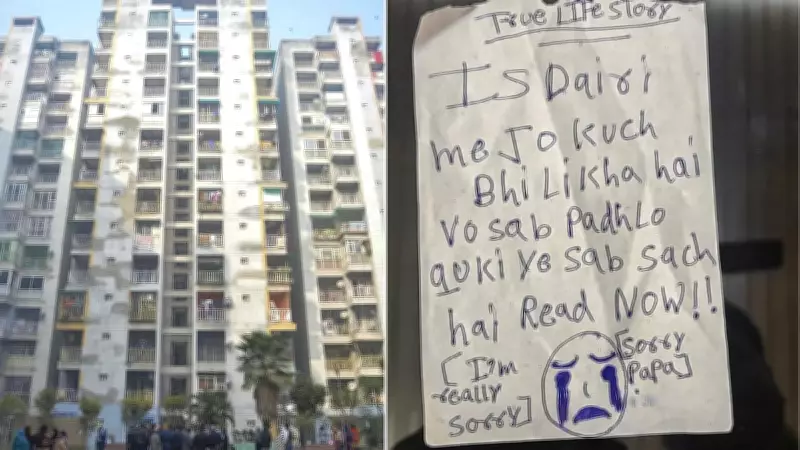
Ghaziabad Suicide Case Exposes Disturbing Family Dynamics
In a deeply unsettling development from Uttar Pradesh, the suicide case of a young girl in Ghaziabad has brought to light shocking revelations about her family background. Investigations have uncovered a complex and unconventional household structure that has left authorities and the community grappling with profound social questions.
Multiple Maternal Figures in a Single Household
The family at the center of this tragedy consisted of three women who were all wives of the same man, creating an unusual polygamous arrangement. Sujata was identified as the biological mother of Nishika, the deceased girl. Meanwhile, Heena served as the mother to two other children in the home named Prachi and Pakhi. Completing this maternal triad was Tina, who has a four-year-old daughter named Devu.
A Household Marked by Tragedy and Disability
Compounding the complexity of this situation was the presence of a deceased live-in partner who was reportedly involved with the family structure. This individual's death added another layer of instability to an already fragile domestic environment. Furthermore, the household included a disabled son, indicating additional caregiving challenges and potential resource strains that may have contributed to the overall family distress.

Complete Absence of Formal Education
Perhaps most alarming among the discoveries was that none of the children in this household were attending school. This educational deprivation represents a fundamental failure in providing these young individuals with basic opportunities for development and future prospects. The lack of schooling raises serious questions about child welfare oversight and the family's ability to meet the children's developmental needs.
Broader Implications for Child Protection Systems
This case has ignited urgent discussions about:
- The effectiveness of child protection mechanisms in detecting vulnerable families
- The need for better monitoring of educational enrollment in marginalized communities
- Support systems for unconventional family structures facing multiple challenges
- Mental health resources for children in complex domestic situations
The Ghaziabad suicide has transcended being merely a tragic individual event to become a wake-up call about systemic failures in safeguarding children's welfare. As authorities continue their investigation, the focus has expanded to include how such a situation could develop undetected and what preventive measures can be implemented to protect other vulnerable children in similar circumstances.






