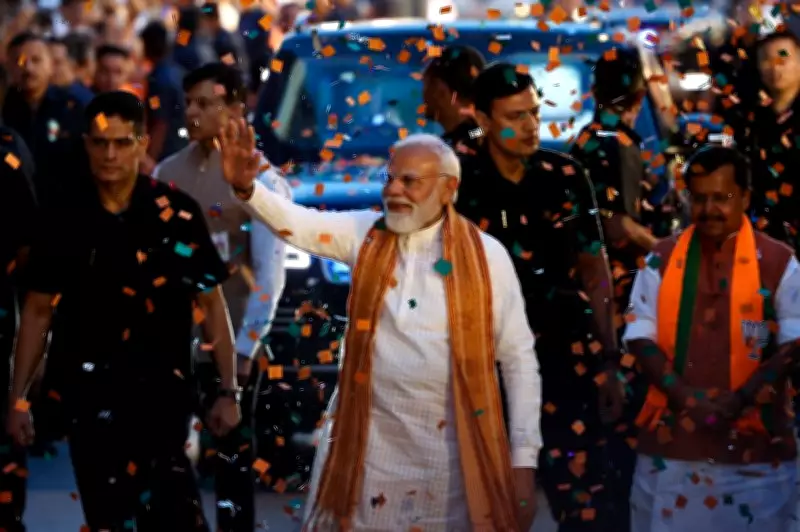
The upcoming 2026 general elections in India are poised to be a watershed moment in the country's political landscape. As the nation gears up for this pivotal event, political analysts and strategists are already dissecting the potential implications of the verdict on national politics. This article delves into the multifaceted impact that the 2026 election results could have on the political fabric of India, examining changes in alliances, governance models, and policy priorities.
Shifting Political Alliances
One of the most significant outcomes of the 2026 elections will be the realignment of political alliances. The current ruling coalition, the National Democratic Alliance (NDA), led by the Bharatiya Janata Party (BJP), faces challenges from a fragmented opposition. The Indian National Congress, which has been struggling to regain its foothold, is attempting to stitch together a broad coalition of regional parties under the United Progressive Alliance (UPA) banner. However, internal discord and regional aspirations often hinder such efforts. A verdict that results in a hung Parliament could lead to post-election alliances, with smaller parties playing kingmakers. This scenario would necessitate compromises on policy issues, potentially leading to more centrist governance.
Impact on Governance and Policy
The election outcome will directly influence the pace and direction of policy reforms. A strong mandate for the incumbent government would likely accelerate economic reforms, infrastructure development, and digital initiatives. Conversely, a coalition government might slow down decision-making, as consensus-building becomes paramount. Issues such as agricultural reforms, labor laws, and taxation policies could see significant shifts depending on the ruling coalition's composition. For instance, regional parties often prioritize state-specific issues, which could lead to a more federal approach in governance.

Furthermore, the 2026 elections will test the resilience of India's democratic institutions. The Election Commission's role in ensuring free and fair elections, the judiciary's oversight, and the media's responsibility in reporting will come under scrutiny. Any perception of electoral malpractice could undermine public trust in the democratic process.
Regional Dynamics and National Integration
Regional parties are expected to play a crucial role in the 2026 elections. States like West Bengal, Tamil Nadu, Uttar Pradesh, and Maharashtra will be key battlegrounds. The rise of regional heavyweights could challenge the national parties' dominance, leading to a more decentralized political landscape. This trend might enhance regional representation but could also complicate national policy coherence. For example, disputes over river water sharing, linguistic policies, and resource allocation could intensify.
Economic Implications
The election verdict will have profound economic implications. Markets are likely to react to the stability or volatility of the new government. A clear majority would boost investor confidence, while a fractured mandate could lead to uncertainty. Fiscal policies, including subsidies, tax reforms, and public spending, will be shaped by the political calculus. Additionally, the government's approach to international trade, foreign investment, and climate change commitments will be influenced by its political strength.
Social and Cultural Impact
Socially, the 2026 elections will reflect and shape the nation's cultural identity. Issues like secularism, caste-based reservations, and minority rights are likely to be central to campaign narratives. The verdict could either reinforce or challenge the current social order. For instance, a strong showing by parties advocating for social justice could lead to more inclusive policies, while a mandate for nationalist agendas might emphasize cultural homogeneity.
The Role of Technology and Media
Campaign strategies in 2026 will be heavily influenced by technology. Social media, data analytics, and targeted advertising will play a pivotal role in reaching voters. The Election Commission's guidelines on digital campaigning and the use of artificial intelligence will be critical. Misinformation and fake news remain significant concerns, and the ability to counter them will determine the integrity of the electoral process.

In conclusion, the verdict of the 2026 elections will have far-reaching consequences for national politics. It will reshape alliances, influence policy directions, and impact the socio-economic fabric of the country. As India continues its journey as the world's largest democracy, the 2026 elections will serve as a testament to its political maturity and resilience. Stakeholders across the spectrum must engage constructively to ensure that the outcome strengthens democratic values and promotes inclusive growth.