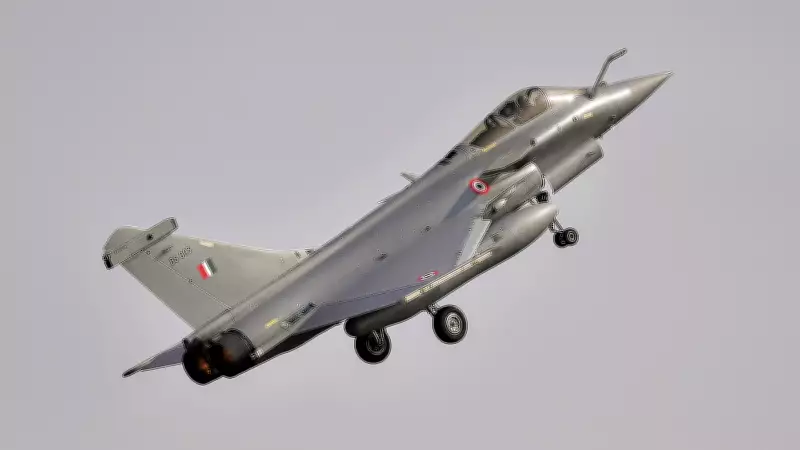
India Launches Historic Defense Expansion with Make in India Rafale Jets and Advanced Systems
The Indian government has embarked on an unprecedented military modernization drive, approving the acquisition of 114 French-origin Rafale fighter jets, with the majority to be manufactured domestically under the Make in India initiative. This monumental decision comes amid escalating regional tensions and concerns over the Indian Air Force's declining combat squadron strength, signaling a strategic shift toward bolstering national security through indigenous production and advanced technology.
Massive Defense Procurement Program Approved
In a landmark move, the Defence Acquisition Council (DAC) has cleared what is now India's largest-ever defense procurement program, with an estimated financial outlay of ₹3.6 trillion. This comprehensive package includes not only the Rafale jets but also six additional Boeing P-8I maritime surveillance aircraft for the Navy and anti-tank mines for the Army, creating a multi-dimensional enhancement of India's military capabilities across all branches.
The Rafale acquisition represents a crucial component of this expansion, with most of these advanced multi-role fighter jets scheduled for production within India through strategic partnerships with French defense manufacturers. This approach aligns with the government's broader objective of developing domestic defense manufacturing capabilities while simultaneously addressing immediate operational requirements through proven international platforms.

Strategic Context and Regional Security Considerations
The timing of this massive defense buildup coincides with heightened regional tensions and a steady erosion of the Indian Air Force's combat squadron strength over recent years. Military analysts suggest this procurement addresses multiple strategic imperatives simultaneously:
- Modernization of aging fleet: Replacing obsolete aircraft with cutting-edge Rafale fighters
- Enhanced maritime surveillance: Expanding the P-8I fleet for improved coastal and oceanic monitoring
- Ground force reinforcement: Strengthening Army capabilities with advanced anti-tank mine systems
- Domestic industry development: Fostering indigenous manufacturing through technology transfer
The Boeing P-8I aircraft, already in service with the Indian Navy, provide sophisticated maritime patrol, anti-submarine warfare, and intelligence gathering capabilities. Their addition will significantly enhance India's ability to monitor strategic waterways and respond to maritime threats in the Indian Ocean region.
Economic and Industrial Implications
Beyond immediate defense needs, this ₹3.6 trillion program carries substantial economic implications. The Make in India component for Rafale production is expected to generate thousands of skilled jobs, transfer advanced aerospace technology to Indian companies, and potentially position India as a future hub for defense manufacturing and exports. This represents a strategic pivot from traditional defense imports toward a more self-reliant defense industrial ecosystem.
Defense experts note that while the financial commitment is substantial, it reflects the government's prioritization of national security amid complex geopolitical challenges. The program's scale and scope demonstrate a comprehensive approach to military modernization that addresses air, naval, and ground force requirements simultaneously rather than through piecemeal acquisitions.
As implementation begins, attention will focus on timelines for indigenous production, technology absorption by Indian manufacturers, and the operational integration of these new systems into India's defense architecture. This historic procurement marks a defining moment in India's military evolution, blending international partnerships with domestic manufacturing ambitions to create a more robust and self-sufficient defense posture for the coming decades.