BJP MP Kangana Ranaut's Sharp Criticism of Rahul Gandhi's Parliamentary Conduct
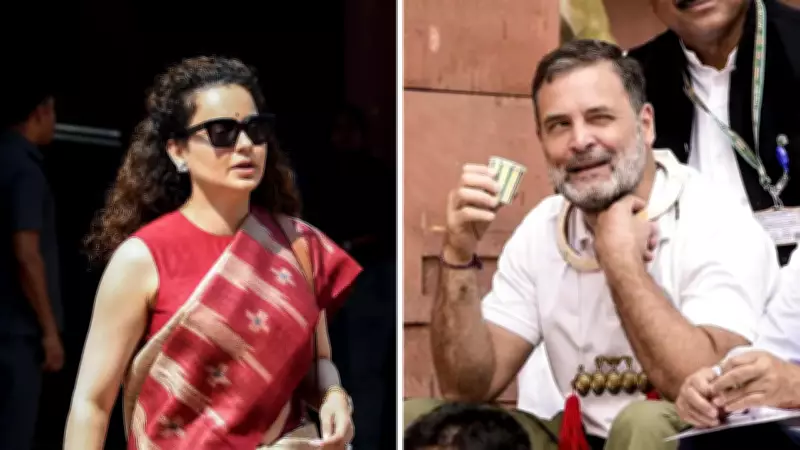
In a controversial statement that has ignited political discourse, Bharatiya Janata Party (BJP) Member of Parliament Kangana Ranaut launched a scathing attack on Leader of Opposition in Lok Sabha Rahul Gandhi on Wednesday. The actor-turned-politician described Gandhi as a "tapori" (street thug) and asserted that women parliamentarians experience significant discomfort in his presence.
Ranaut's Direct Accusations Against the Congress Leader
Speaking to news agency IANS, Kangana Ranaut provided detailed criticism of Rahul Gandhi's demeanor. "We women feel very uncomfortable seeing them, because they come across like street thugs and talk to anyone rudely, saying things like 'hey you, do this' in a rough, disrespectful way," she stated, explaining her use of the term "tapori" to characterize his behavior.
Ranaut further contrasted Gandhi's conduct with that of his sister, Wayanad MP Priyanka Gandhi Vadra. "He should see the conduct and behaviour of his sister, which is very good. Rahul Gandhi himself is a shame," she added, drawing a clear distinction between the siblings' parliamentary manners.

Context: The Parliamentary Tea Incident and Subsequent Backlash
This verbal confrontation comes precisely one day after a group of retired bureaucrats and veteran lawyers published an open letter demanding an apology from Rahul Gandhi. The letter referenced an incident on March 12 when Gandhi was observed sharing tea and biscuits at the Makar Dwar entrance of Parliament during a protest against the energy crisis exacerbated by Middle Eastern conflicts.
Led by former Jammu and Kashmir Director General of Police S.P. Vaid, the signatories expressed deep concern about what they perceived as a "conscious disregard for parliamentary authority." The letter, endorsed by 84 former bureaucrats and 116 veterans and former lawyers, argued that Gandhi's actions were unbecoming of a Leader of the Opposition.
Former Officials' Perspective on Parliamentary Decorum
S.P. Vaid elaborated on the criticism, stating that Rahul Gandhi's behavior demonstrates a troubling "sense of entitlement and arrogance." He specifically referenced the March 12 protest, noting, "He indulges in theatrics; he sits on the steps of Parliament and sips tea amid sloganeering. I think Rahul Gandhi does not understand the importance of the post of LoP."
The former DGP emphasized that the position of Leader of the Opposition carries substantial responsibility, and Gandhi's conduct during the protest—where he engaged in casual tea-drinking while colleagues demonstrated—failed to meet the expected standards of parliamentary decorum.
Broader Implications for Political Discourse
This exchange highlights several critical aspects of contemporary Indian politics:
- The increasing personalization of political criticism between party representatives
- Ongoing debates about appropriate conduct within parliamentary premises
- The role of gender dynamics in political interactions, as highlighted by Ranaut's comments about women MPs' discomfort
- The involvement of retired civil servants in current political controversies through open letters
The incident at Parliament's Makar Dwar entrance, initially a protest against energy policy, has now evolved into a multifaceted controversy encompassing behavioral expectations for elected officials, gender dynamics in political spaces, and the boundaries of parliamentary protest.
As political tensions continue, this episode underscores the heightened scrutiny facing opposition leaders and the evolving nature of political discourse in India's parliamentary democracy.