Kejriwal Launches Scathing Attack on Election Commission, Alleges BJP Control
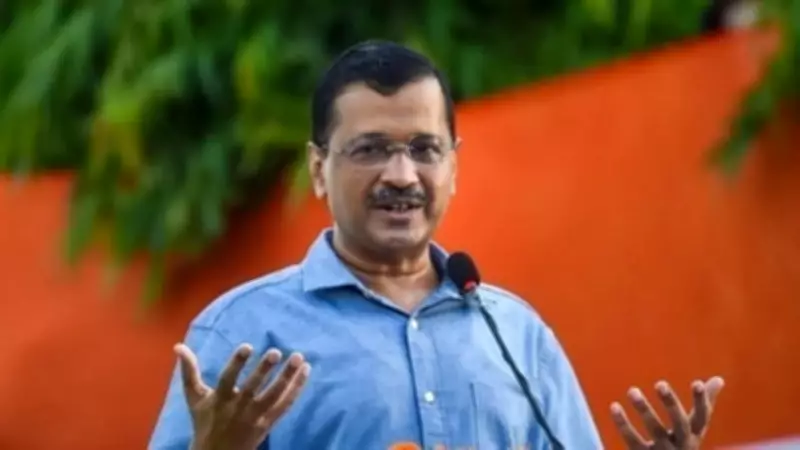
Delhi Chief Minister and Aam Aadmi Party (AAP) leader Arvind Kejriwal has made a bold accusation against the Election Commission of India (ECI), claiming that the constitutional body has lost its independence under the current Bharatiya Janata Party (BJP)-led government. In a recent statement, Kejriwal asserted that there is no need to even mention the EC when discussing electoral fairness, as he believes it is now effectively under the influence of the ruling party.
Context: TMC Social Media Post Sparks Controversy
Kejriwal's comments were prompted by a social media post from the Trinamool Congress (TMC), which criticized the Election Commission for alleged bias. The TMC, a key opposition party in West Bengal, shared content questioning the EC's neutrality in handling election-related matters. This post served as a catalyst for Kejriwal to voice his long-standing concerns about the commission's autonomy.
"The Election Commission used to be an independent institution, but now it seems to be working under the BJP's shadow," Kejriwal stated, emphasizing that the situation has deteriorated to a point where discussing the EC's impartiality is futile. He argued that this perceived bias undermines the democratic process and erodes public trust in India's electoral system.

Broader Implications for Indian Democracy
Kejriwal's allegations highlight a growing tension between opposition parties and constitutional bodies in India. The Election Commission, tasked with ensuring free and fair elections, has faced similar accusations in the past, but Kejriwal's remarks add to a chorus of criticism from political rivals of the BJP. This issue raises important questions about:
- The role of independent institutions in a vibrant democracy.
- The impact of perceived political influence on electoral integrity.
- The need for transparency and accountability in election governance.
Experts note that such statements could fuel further political polarization, especially as India approaches future state and national elections. Kejriwal, known for his vocal stance against the BJP, has positioned this as part of a larger narrative about democratic backsliding under the current administration.
Response and Reactions
While the Election Commission has not issued an immediate response to Kejriwal's specific comments, it has historically defended its neutrality and adherence to constitutional mandates. The BJP, on the other hand, has dismissed such allegations as baseless and politically motivated, accusing opposition leaders of undermining institutions for electoral gain.
Political analysts suggest that Kejriwal's outburst may be aimed at rallying support among anti-BJP voters and drawing attention to governance issues ahead of key polls. The TMC post, which initially sparked this debate, reflects a broader strategy by opposition parties to challenge the status quo and hold institutions accountable.
In conclusion, Arvind Kejriwal's sharp criticism of the Election Commission underscores deep-seated concerns about political influence in India's democratic framework. As debates over institutional independence intensify, the coming months will likely see more such exchanges, shaping the political landscape in the run-up to elections.