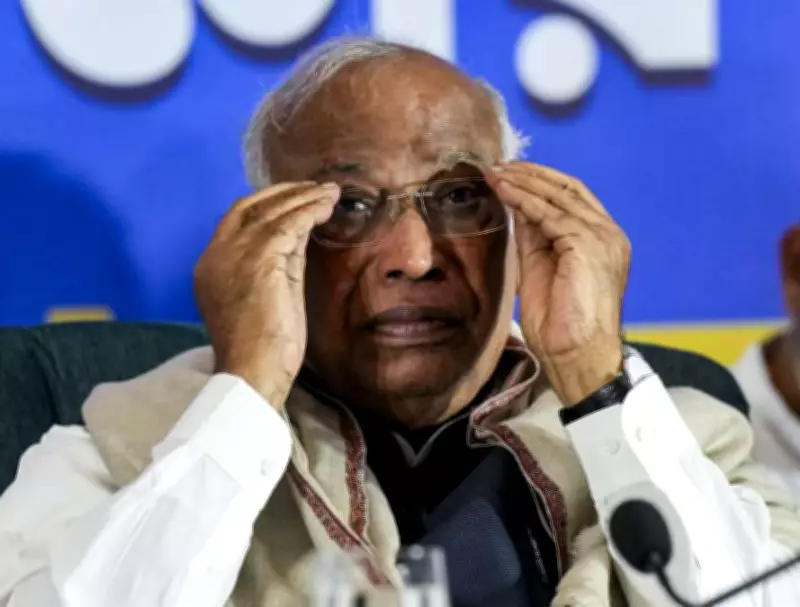
Congress President Mallikarjun Kharge Expresses Regret Over Gujarat Remarks
Congress President Mallikarjun Kharge has issued a statement expressing his sincere regret for comments he made regarding illiteracy in Gujarat. The remarks, which were made during a recent political address, have ignited a significant controversy, drawing sharp criticism from Bharatiya Janata Party (BJP) leaders and sparking a broader debate on development and governance in the state.
Details of the Controversial Comments
In his address, Kharge reportedly referred to a perceived issue of illiteracy among some people in Gujarat. While the exact context and wording of his statement have been subject to interpretation, the comments were quickly seized upon by political opponents. BJP leaders, including prominent figures from Gujarat, condemned the remarks as insulting and divisive, arguing that they undermine the state's progress and achievements in education and social development.
Kharge's Apology and Political Fallout
Following the backlash, Kharge released a statement clarifying his position. He emphasized that his intention was not to offend anyone but to highlight broader concerns about educational access and literacy rates. In his apology, he stated, "I express my sincere regret if my words were misunderstood or caused any hurt. My focus has always been on advocating for inclusive growth and better opportunities for all." This move is seen as an attempt to defuse tensions and refocus the political discourse on substantive issues.

However, the controversy has already escalated into a heated political debate. Key points of contention include:
- The accuracy of literacy statistics in Gujarat and how they are portrayed in political narratives.
- Allegations from the BJP that the Congress is resorting to negative campaigning to tarnish Gujarat's image.
- Responses from Congress supporters who argue that Kharge's comments were taken out of context to distract from governance issues.
Broader Implications for Indian Politics
This incident highlights the sensitive nature of regional development topics in Indian politics, especially in states like Gujarat, which are often showcased as models of economic and social progress. It also underscores the ongoing rivalry between the Congress and BJP, with both parties using such controversies to rally their bases and influence public opinion ahead of potential elections.
As the debate continues, analysts suggest that this episode could impact voter perceptions in Gujarat and beyond, particularly regarding how political leaders address social issues. The focus now shifts to whether Kharge's apology will quell the controversy or if it will fuel further political sparring in the coming days.