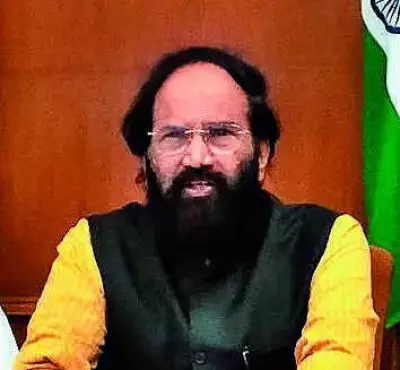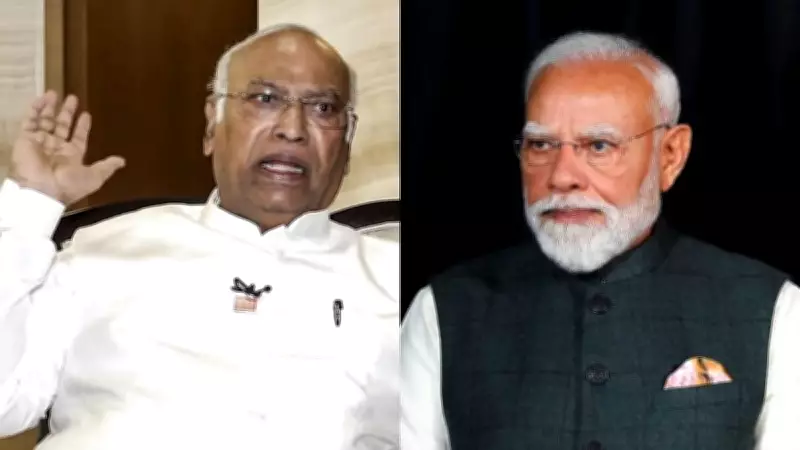
Congress President Mallikarjun Kharge on Monday launched a scathing attack on the Narendra Modi-led government, accusing it of 'sprinkling petrol to burn common people's savings' following a sharp increase in fuel prices. Petrol and diesel prices were hiked by Rs 2.61-2.71 per litre, marking the fourth such increase in less than two weeks. The continuous rise has been attributed to soaring global crude oil prices, which have put additional pressure on domestic fuel rates.
Kharge's sharp criticism
Taking to social media and addressing the media, Kharge stated, 'The Modi government has sprinkled petrol to burn the savings of common people. Every time global prices rise, the burden is passed on to citizens without any relief.' He further alleged that the government's policies favor big corporations while neglecting the middle class and the poor, who are most affected by the price surge.
Fuel price hike details
On Monday, the price of petrol increased by Rs 2.61 per litre, while diesel became costlier by Rs 2.71 per litre across major cities. This is the fourth revision since May 12, 2026, cumulatively pushing petrol prices up by over Rs 10 per litre in some regions. The government has cited global oil market volatility as the primary reason, but opposition parties argue that the Centre's high excise duties and taxes are equally responsible.

Political reactions
The price hike has triggered widespread criticism from opposition parties, with several leaders demanding an immediate rollback. The Congress party has called for a nationwide protest on June 1, accusing the BJP of economic mismanagement. Meanwhile, the ruling party defended the decision, stating that the increases are temporary and necessary to align with international market trends.
Impact on common people
The consecutive hikes have strained household budgets, particularly for daily commuters and small business owners who rely on transportation. Transport associations in several states have warned of fare hikes if prices continue to rise. Economists have also expressed concerns about inflationary pressures, as higher fuel costs typically lead to increased prices of essential goods and services.
The government, however, maintains that it is taking steps to mitigate the impact, including discussions with oil-producing nations to stabilize global prices. But with no immediate relief in sight, the common man continues to bear the brunt of the rising fuel costs.