

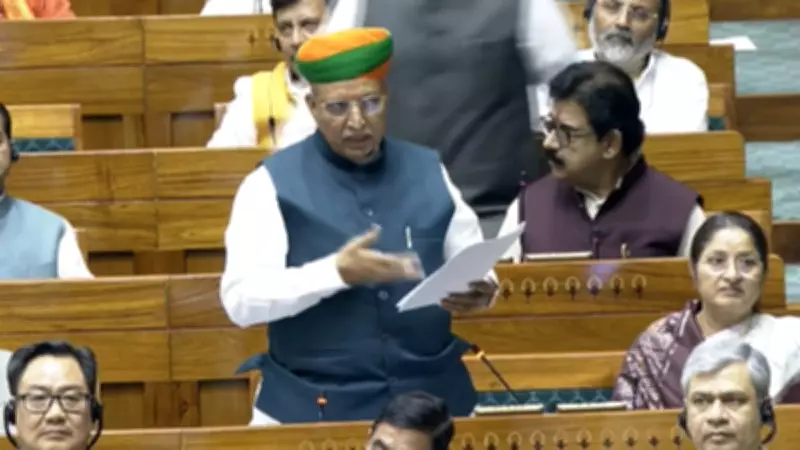
Lok Sabha Seats to Increase by 50%, Tally to Reach 815 After Delimitation in 2026
In a significant announcement, Law Minister Arjun Ram Meghwal has confirmed that the number of Lok Sabha seats will increase by 50 percent, raising the total tally to 815 after the delimitation exercise scheduled for 2026. This move marks a major restructuring of parliamentary representation in India, aimed at reflecting population changes and ensuring equitable political representation across states.
Delimitation Process and Timeline
The delimitation exercise, which involves redrawing parliamentary and assembly constituencies based on the latest census data, is set to be conducted after the 2026 census. This process will adjust seat allocations to account for demographic shifts, with states experiencing higher population growth likely to gain more seats. The increase from the current 543 seats to 815 is designed to enhance the representativeness of the Lok Sabha, making it more aligned with India's evolving population dynamics.
Implementation of Women's Reservation
Alongside the seat increase, the Law Minister emphasized that the women's reservation bill, which mandates 33 percent reservation for women in Parliament and state legislatures, will be implemented only after the delimitation is completed. This strategic timing ensures that the reservation is applied to the newly constituted seats, thereby maximizing its impact on gender representation in Indian politics. The move is seen as a crucial step toward empowering women in the political arena and addressing historical underrepresentation.

Impact on State Seats and Political Dynamics
The 50 percent rise in Lok Sabha seats will also lead to a proportional increase in state assembly seats, as delimitation affects both levels of government. This could reshape political landscapes, with states gaining or losing seats based on population data. Experts suggest that this exercise may influence electoral strategies and party alliances, as parties adapt to the new constituency boundaries and seat distributions.
Challenges and Considerations
While the increase in seats aims to improve representation, it also presents logistical and administrative challenges, such as managing larger parliamentary sessions and ensuring efficient governance. Additionally, the delimitation process must be conducted fairly to avoid political biases and ensure that it truly reflects demographic realities. The government has assured that the exercise will be transparent and based on objective census data.
Conclusion
The announcement of a 50 percent increase in Lok Sabha seats to 815 post-delimitation in 2026, coupled with the implementation of women's reservation, represents a transformative phase in India's parliamentary system. By aligning seat allocations with population changes and promoting gender equality, this initiative seeks to strengthen democratic representation and foster a more inclusive political environment for the future.






