

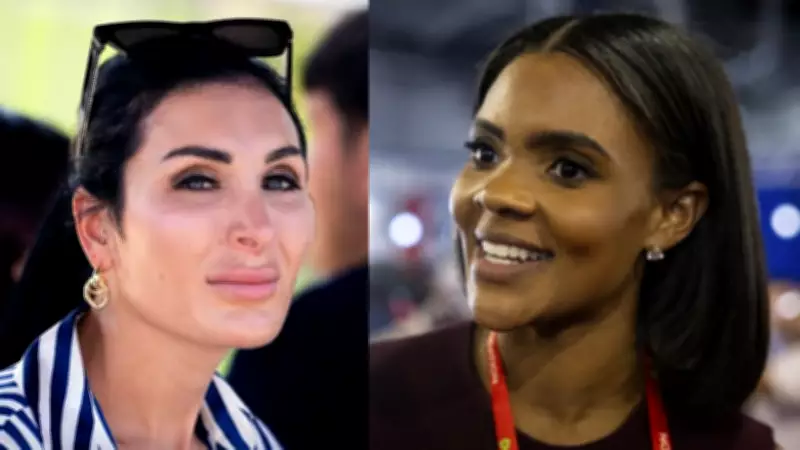
Conservative Commentators Engage in Escalating Public Feud
The ongoing public conflict between prominent conservative figures Laura Loomer and Candace Owens has intensified dramatically in recent days, capturing significant attention across social media platforms and political circles. What began as a political disagreement has evolved into a deeply personal confrontation, revealing fractures within certain conservative factions.
The Initial Provocation: Owens' 'Satanic' Accusation
The current phase of this feud commenced on April 6, when Candace Owens posted a striking statement on X (formerly Twitter) regarding former President Donald Trump's administration. Owens employed particularly strong language, directly labeling Trump's administration as "satanic" in her social media declaration. Her post read: "This is a satanic administration. We all realize that satanic Zionists occupy the White House, and Congress needs to move to have the Mad King Trump removed."
Owens further elaborated on her position, adding: "We are in uncharted territory. Leaders worldwide need to act accordingly." These comments quickly circulated through conservative and political channels, generating immediate reactions from various commentators and observers.

Loomer's Forceful Response and Personal Accusations
Laura Loomer responded swiftly and forcefully to Owens' statements, choosing not to engage primarily on political grounds but instead launching personal accusations against her fellow conservative commentator. Loomer reposted Owens' original statement with her own commentary, accusing Owens of hypocrisy and disrespect toward someone she had previously described as a close friend.
In her response, Loomer wrote: "Candace Owens is now accusing President Trump's administration of being 'satanic'. Meanwhile, she's dancing on her so called 'best friend's' grave. Her 'best friend' who didn't invite her to his wedding." This provocative statement immediately shifted the conversation from political debate to personal relationships and loyalty.
The Charlie Kirk Connection and Symbolic Language
While Loomer did not explicitly name the individual referenced in her "best friend" remark, political observers and commentators widely interpreted this as referring to Charlie Kirk, founder of Turning Point USA. It is crucial to note that there are no verified reports indicating Charlie Kirk has died, despite the grave-related language employed by Loomer. Her wording appears to be symbolic or sarcastic rather than factual, representing a metaphorical commentary on their relationship dynamics.
This personal dimension has transformed what might have remained a policy disagreement into a more sensational public confrontation, drawing increased attention to the interpersonal dynamics between these conservative figures.
Owens' Broader Commentary and Speculative Claims
Prior to this latest exchange, Candace Owens had been expanding her commentary on various topics through her podcast and social media platforms. During a March 10 episode of her podcast, Owens discussed global tensions and expressed her belief that hidden forces are influencing world events.
Owens specifically praised Tucker Carlson, referencing his viral social media post that stated: "Pray that the spell breaks and the world is saved." Owens analyzed this language, explaining: "Because a spell implies some sort of witchcraft or magic is at work." She further claimed: "People that practice occult magic are in this moment pushing for World War 3."
Additionally, Owens made speculative claims about Charlie Kirk's family, particularly regarding his wife Erika Kirk. Owens suggested that Erika Kirk could potentially develop into a significant political figure, even mentioning the possibility of a future presidential run. These statements represent personal opinions rather than confirmed political plans or announcements.
Broader Implications and Online Attention
The Loomer-Owens confrontation highlights several significant dynamics within contemporary conservative commentary:

- Shifting Focus: The exchange has moved discussion from substantive policy debates to personal relationships and loyalty tests
- Internal Divisions: The public nature of this feud reveals potential fractures and tensions within conservative media circles
- Social Media Dynamics: The rapid escalation demonstrates how social media platforms can amplify and personalize political disagreements
- Audience Engagement: The personal elements have generated substantial online attention and discussion beyond typical political commentary
As this public disagreement continues to unfold, it represents not merely a personal conflict between two commentators but a reflection of broader tensions and realignments within certain conservative spheres. The combination of political criticism, personal accusations, and speculative commentary has created a multifaceted controversy that continues to develop across digital platforms.





