PM Modi Replaces Lutyens Statue with Rajagopalachari at Rashtrapati Bhavan
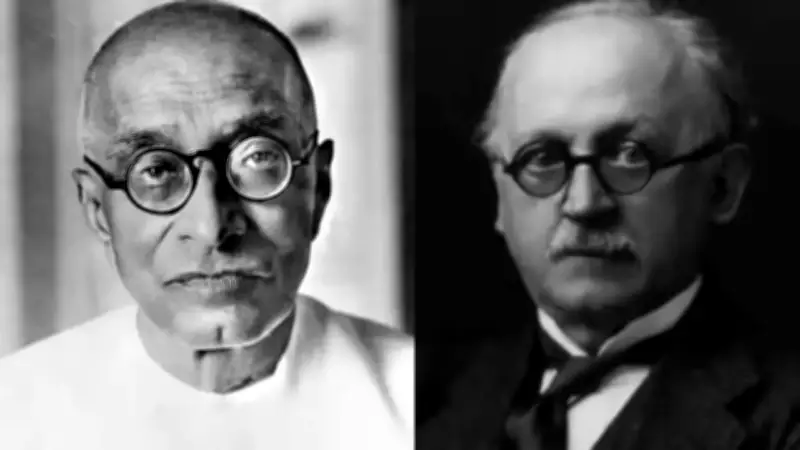
In a significant move symbolizing the ongoing transformation of India's post-colonial identity, Prime Minister Narendra Modi has announced the removal of a statue of British architect Edwin Lutyens from Rashtrapati Bhavan. The statue will be replaced by one of C Rajagopalachari, a revered freedom fighter and the first and only Indian governor general after independence.
Ending the Colonial Era in India's Power Corridors
Since assuming office in 2014, Prime Minister Modi has consistently expressed his disdain for what he has often termed the 'Lutyens' gang' or 'Lutyens' jamaat' – a reference to the elite, privileged circles associated with New Delhi's colonial-era architecture and mindset. The legacy of Edwin Lutyens, the principal architect of New Delhi, has long symbolized a rarefied milieu inhabited by those wielding power, pedigree, and influence in independent India.
Critics have noted that while governments changed over the decades, the Lutyens' privileged elite seemed permanent. However, the Modi administration has been systematically chipping away at these colonial vestiges through various measures. These include renaming roads and important addresses, installing a statue of Netaji Subhas Chandra Bose in place of a British emperor, promoting Hindi and other Indian languages, and replacing British-era monikers with names rooted in Indian heritage.

Honoring India's Freedom Fighters
In his monthly 'Mann Ki Baat' broadcast, Prime Minister Modi announced that the statue of C Rajagopalachari will be installed in Rashtrapati Bhavan's Central Courtyard on Monday, as part of 'Rajaji Utsav' celebrations. He emphasized that Rajagopalachari's conduct, self-restraint, and independent thinking in public life continue to inspire the nation today.
"Unfortunately, even after independence, statues of British administrators were allowed to remain in Rashtrapati Bhavan, but those of the nation's greatest sons were denied space," Modi stated. He described this replacement as a continuation of his push to rid the country of a slave mentality – a call he had previously made from the Red Fort – and to accord primacy to India's own legacy and traditions.
Modi lauded Rajagopalachari, a close associate of Mahatma Gandhi and former chief minister of the erstwhile Madras State, as someone who viewed power not as a position but as a service to the people.
Historical Context and Architectural Debate
Edwin Lutyens' role in designing New Delhi has been a subject of historical debate. According to architect and town planner A K Jain, the idea of a planned 'New Delhi' emerged only after the 1911 announcement about shifting the capital to Delhi, which was growing haphazardly at the time.
In her book 'Connaught Place and the Making of New Delhi', historian Swapna Liddle notes that Lutyens was dismissive of Indian architectural styles. Jain, who authored 'Lutyens' Delhi', insists that credit for the city cannot go to one person alone, highlighting contributions such as the Maharaja of Jaipur providing land and money, along with Indian engineers.
Jain also recalled that Mahatma Gandhi had wanted the erstwhile Viceregal Lodge, now Rashtrapati Bhavan, to be converted into a hospital or an educational institution for public benefit.
Praise for Tamil Nadu Leaders Amid Election Season
In his remarks, Prime Minister Modi also heaped praise on the late AIADMK leader and former Tamil Nadu chief minister J Jayalalithaa, as election campaigning intensifies in the southern state. He recalled her efforts toward good governance, women empowerment, and her personal equation with him since his tenure as Gujarat chief minister.
"She had a special bond with women," Modi said, "This is also because she made many commendable efforts in government for the welfare of mothers, sisters, and daughters. She also took concrete steps to maintain law and order in the state. The spirit of patriotism was deeply embedded within her. She was also deeply proud of India's cultural heritage."

Modi noted that Jayalalithaa was an early supporter of the Ram temple in Ayodhya, even when most regional leaders avoided the Hindutva plank. He recalled that she attended two of his swearing-in ceremonies as Gujarat chief minister in 2002 and 2012, and invited him to Chennai for a Pongal lunch.
This praise for two prominent Tamil politicians – Rajagopalachari and Jayalalithaa – comes at a time when political activity is heating up in Tamil Nadu, underscoring the broader cultural and political significance of these symbolic changes in the national capital.