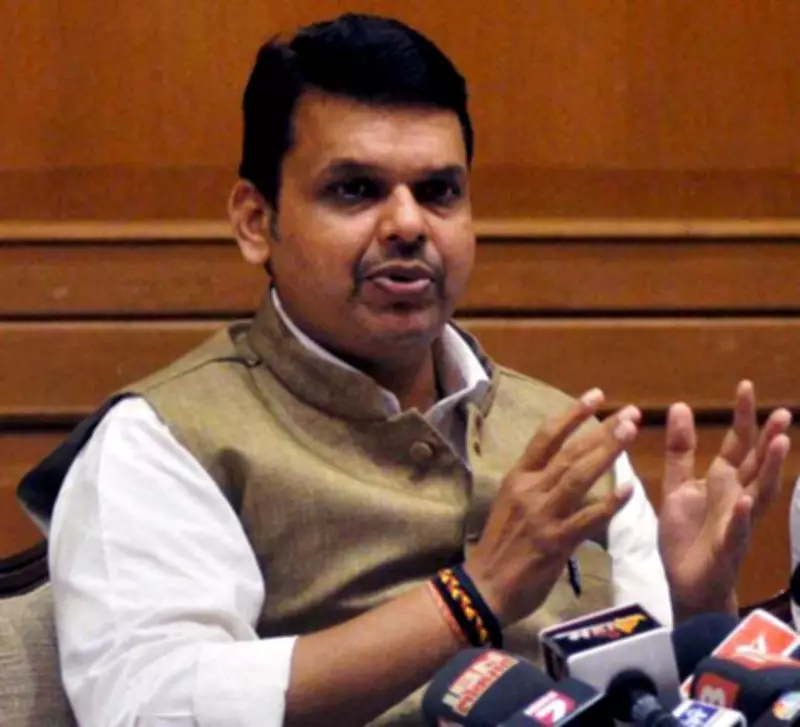
Maharashtra on Thursday became the ninth state governed by the Bharatiya Janata Party (BJP) and the National Democratic Alliance (NDA) to announce its intention to enact a Uniform Civil Code (UCC) law. Chief Minister Devendra Fadnavis, while addressing the Maharashtra Assembly, revealed the formation of a committee tasked with drafting the UCC legislation. The committee will be chaired by former Supreme Court judge Ranjana Prakash Desai.
Committee Composition and Members
The committee, led by Justice Desai, will comprise three former judges from the Supreme Court and high courts, one constitutional expert, one former bureaucrat, and two social sector experts. Specific members include former High Court Justice RC Chavan, former High Court Justice SG Mehere, former chief secretary DK Jain, legal expert Birendra Saraf, social activist Ramesh Patange, and educationist Suvarna Rawal. According to Fadnavis, this diverse panel will ensure a comprehensive and balanced draft.
State-Level UCC Momentum
With this announcement, Maharashtra joins a growing list of BJP-ruled states pursuing a UCC. Uttarakhand recently implemented its own UCC, while Goa has had a uniform civil code in place for decades. Other BJP-led states that have declared UCC plans include Gujarat, Assam, Madhya Pradesh, Rajasthan, Uttar Pradesh, and Chhattisgarh. The BJP currently holds chief ministers in 17 states, and the NDA governs a total of 22 states. The party has adopted a state-level approach to advance the UCC, rather than pursuing it at the national level.

Exemptions and Tribal Considerations
Notably, in Uttarakhand, tribal communities have been kept outside the purview of the UCC. This exemption may set a precedent for other states as they draft their own laws. The Maharashtra committee will likely examine such provisions to address the unique cultural and legal customs of various communities within the state.
Impact and Next Steps
The move is expected to spark debate among political parties and civil society groups. The committee's recommendations will be crucial in shaping the final legislation, which will then be presented to the Maharashtra Assembly for approval. Fadnavis emphasized the government's commitment to ensuring that the UCC aligns with constitutional values and social harmony.