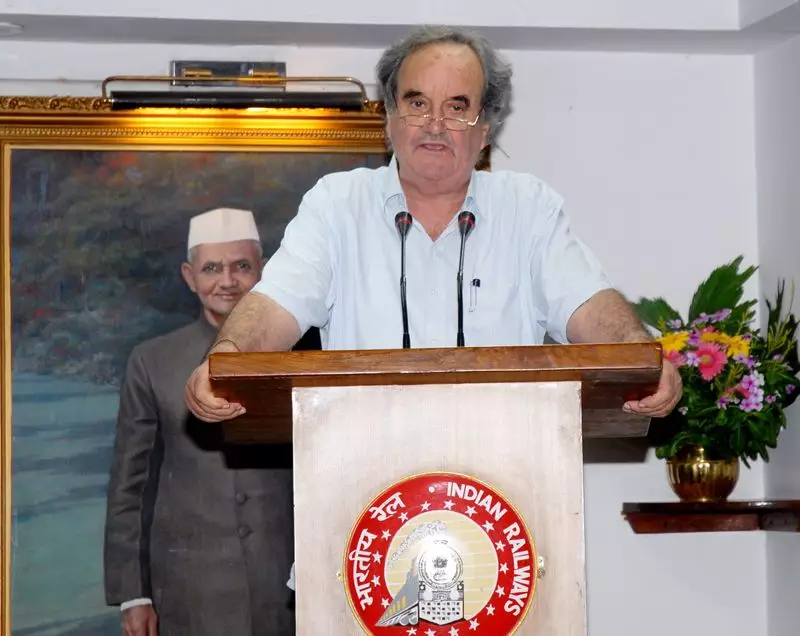
Mark Tully's Enduring Legacy: The Art of Keeping an Ear to the Ground in India
In the world of journalism, few names resonate as profoundly in the Indian context as Mark Tully. The veteran journalist, renowned for his deep and nuanced coverage of India, has long been celebrated for his unique ability to keep his ear to the ground. This phrase, often used to describe his approach, encapsulates a method that goes beyond mere reporting—it involves immersing oneself in the fabric of society to capture the authentic voices and stories that define a nation.
The Foundation of Tully's Reporting Philosophy
Mark Tully's career, spanning several decades, has been built on a foundation of meticulous observation and genuine engagement with people from all walks of life. Rather than relying solely on official sources or surface-level analysis, Tully made it a point to delve into the grassroots. His reporting was characterized by a keen sensitivity to the political undercurrents, cultural shifts, and social dynamics that shape India's complex landscape.
This approach allowed him to uncover stories that might otherwise have been overlooked, providing a richer, more comprehensive view of the country. By keeping his ear to the ground, Tully was able to anticipate trends, understand public sentiment, and offer insights that were both timely and timeless. His work serves as a masterclass in how journalists can bridge the gap between high-level politics and everyday realities.

Impact on Indian Journalism and Public Discourse
Tully's method has had a lasting impact on how India is reported, both domestically and internationally. His ability to connect with diverse communities—from rural villages to urban centers—enabled him to present a multifaceted portrait of the nation. This has influenced a generation of journalists who strive to emulate his depth and authenticity in their own work.
Moreover, Tully's reporting has contributed significantly to public discourse in India. By highlighting issues that matter to ordinary citizens, he has helped shape conversations around governance, development, and identity. His insights into India's political evolution, from the era of Indira Gandhi to contemporary times, have provided valuable context for understanding the country's trajectory.
Key Elements of Tully's Grounded Approach
To appreciate how Tully kept his ear to the ground, it's essential to break down the key elements of his methodology:
- Immersive Fieldwork: Tully spent extensive time in the field, engaging directly with people to hear their stories firsthand.
- Cultural Sensitivity: He demonstrated a deep respect for India's diverse cultures, which allowed him to build trust and gain access to intimate narratives.
- Political Acumen: His understanding of India's political landscape was enhanced by grassroots interactions, enabling him to predict and analyze shifts with accuracy.
- Narrative Storytelling: Tully's reports often wove personal anecdotes with broader themes, making complex issues relatable and engaging.
Lessons for Modern Journalism
In today's fast-paced media environment, where headlines often dominate over depth, Mark Tully's approach offers crucial lessons. His emphasis on listening and empathy reminds us that journalism is not just about breaking news but about understanding the human stories behind the events. As India continues to evolve, the need for such grounded reporting remains as vital as ever.
By keeping his ear to the ground, Tully has left an indelible mark on how we perceive and discuss India. His legacy is a testament to the power of patient, perceptive journalism that truly connects with its subject matter.