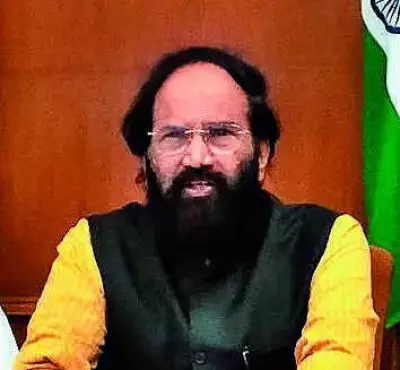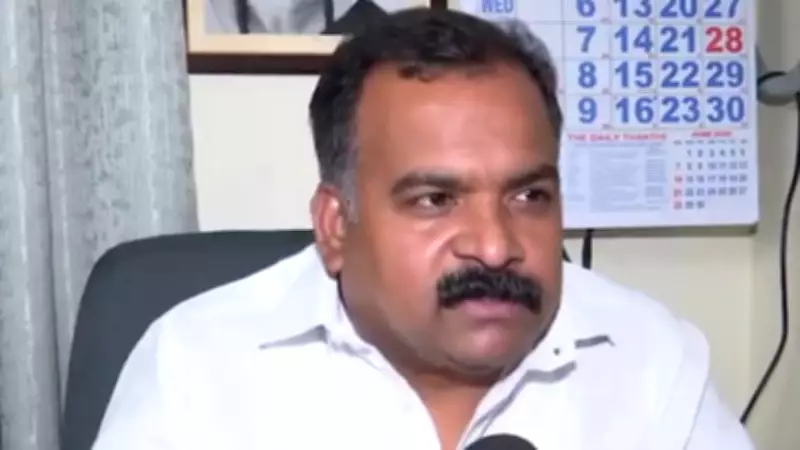
The ongoing dispute over the Mekedatu dam project has escalated into a political war of words between the Congress and the DMK. Congress leader Tagore has accused the DMK of indulging in 'cheap politics' over the issue. His remarks came after DMK principal secretary K N Nehru launched a scathing attack on the Congress party in 'neighbouring Karnataka', accusing it of being 'arrogant' and 'betraying' Tamil Nadu.
Background of the Mekedatu Dam Controversy
The Mekedatu dam project, proposed by Karnataka, aims to generate power and provide drinking water to Bengaluru. However, Tamil Nadu has strongly opposed the project, citing concerns over its riparian rights and the potential impact on water flow to the state. The dispute has been a long-standing issue between the two states, with multiple rounds of discussions and legal battles.
DMK's Allegations Against Congress
K N Nehru, a senior DMK leader, accused the Congress party of betraying Tamil Nadu's interests. He claimed that the Congress government in Karnataka was acting arrogantly and ignoring the legitimate concerns of Tamil Nadu. Nehru's statements added fuel to the already tense political atmosphere surrounding the project.

Congress Retaliates
In response, Congress leader Tagore dismissed the DMK's allegations as 'cheap politics'. He argued that the DMK was exploiting the issue for political gain rather than seeking a genuine solution. Tagore emphasized that the Congress party is committed to resolving the dispute through dialogue and legal means, respecting the rights of both states.
Political Implications
The Mekedatu dam row has become a flashpoint in the political dynamics between Tamil Nadu and Karnataka. Both parties are using the issue to rally their respective support bases ahead of upcoming elections. The Congress, which rules Karnataka, is under pressure to defend its stance, while the DMK, in power in Tamil Nadu, is leveraging the dispute to portray itself as the protector of the state's interests.
Experts believe that the prolonged conflict could have broader implications for inter-state water disputes in India. The Supreme Court is currently hearing the case, and a final verdict is awaited. Until then, the political rhetoric is likely to continue, with both sides unwilling to back down.
As the debate rages on, the people of both states are caught in the crossfire. While Karnataka insists on the necessity of the project for its development, Tamil Nadu remains firm in its opposition, citing environmental and water-sharing concerns. The resolution of this dispute will require a delicate balance of legal, political, and diplomatic efforts.