From POTUS to Prophet? MTG Blasts Trump Over Viral AI Jesus Image Controversy
A global digital firestorm erupted on April 13, 2026, when former U.S. President Donald Trump shared a striking AI-generated image of himself resembling Jesus Christ on his Truth Social platform. The controversial artwork has sparked intense backlash and condemnation from political figures, most notably Congresswoman Marjorie Taylor Greene, who has labeled the post as blasphemous and dangerous.
The Viral AI-Generated Image
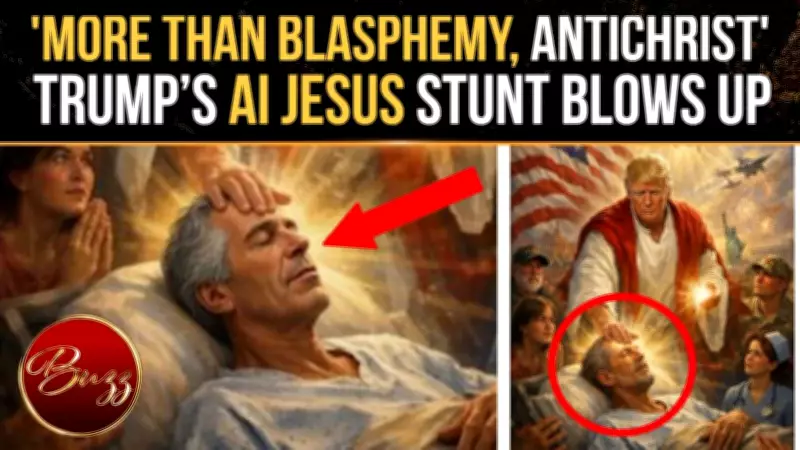
The AI-created image depicts Trump in flowing white robes, surrounded by divine light and appearing to perform a healing miracle on a kneeling man. The composition is flanked by angelic figures and soldiers, with dramatic background elements including fighter jets, fireworks, and the Statue of Liberty symbolizing American power and patriotism. The visual presentation deliberately echoes traditional religious iconography while incorporating modern political and military symbolism.
Marjorie Taylor Greene's Fierce Condemnation
Congresswoman Marjorie Taylor Greene, a prominent Republican figure known for her controversial statements, launched a scathing attack on Trump's post. She described the image as "more than blasphemy" and accused it of representing "an Antichrist spirit." Her criticism represents a significant break from her usual alignment with Trump, highlighting the divisive nature of the AI-generated content within conservative circles.

Greene's condemnation has amplified the controversy, turning what might have been dismissed as digital art into a serious political and religious debate. Her comments have resonated with religious conservatives who view the image as crossing sacred boundaries and potentially mocking Christian beliefs.
The Broader Political Implications
This incident occurs against the backdrop of ongoing political tensions in the United States, where Trump remains a dominant figure in Republican politics. The AI Jesus image controversy raises important questions about:
- The intersection of artificial intelligence and political messaging
- The boundaries of religious symbolism in political discourse
- The growing influence of social media platforms on political narratives
- The potential for AI-generated content to create diplomatic and cultural tensions
The timing of this controversy is particularly significant as it comes during a period of heightened political polarization and technological advancement. The use of AI to create politically charged religious imagery represents a new frontier in digital political communication that experts warn could have far-reaching consequences.
Global Reactions and Digital Spread
Beyond the immediate political fallout in the United States, the AI Jesus image has generated international attention and debate. Social media platforms have seen the image shared millions of times, with reactions ranging from outrage to amusement to concern about the implications of AI-generated political content.
The controversy highlights how quickly AI-generated imagery can spread globally in the digital age, bypassing traditional media filters and creating instant viral phenomena with real-world political consequences. This incident serves as a case study in how emerging technologies are reshaping political communication and challenging established norms about appropriate political imagery.