

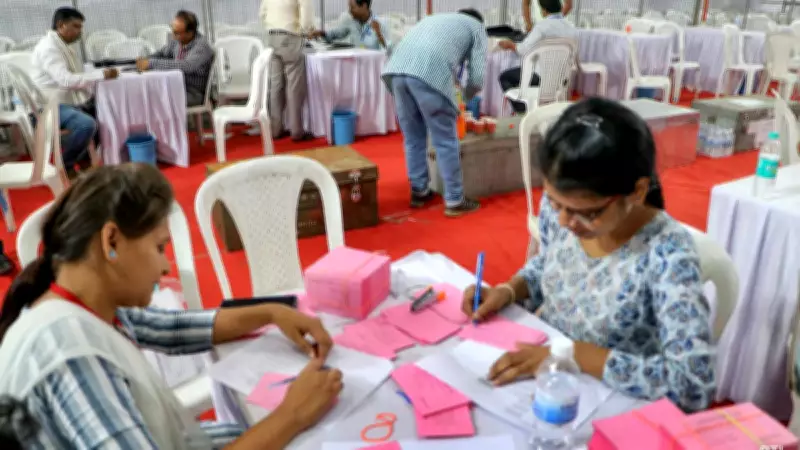
The municipal council election results for 2026 were announced on May 29, bringing decisive victories for several candidates across Punjab. The voting process, which took place earlier this week, saw a high voter turnout as citizens exercised their democratic rights to choose local representatives.
Key Winners and Constituencies
In Gobindgarh, the incumbent councilor retained the seat with a margin of over 1,500 votes. The candidate from the Aam Aadmi Party secured a comfortable win, reflecting the party's growing influence in the region. Mansa witnessed a closely contested battle, with the winner from the Shiromani Akali Dal emerging victorious by a narrow margin of 200 votes. Mukerian saw a clean sweep by the Indian National Congress, winning five out of seven wards. Nawanshahr reported a surprise victory for an independent candidate, who defeated the established party candidates. Kartarpur's results showed a split mandate, with no single party gaining an absolute majority.
Voter Turnout and Election Conduct
The Election Commission reported an overall voter turnout of 68%, which is 5% higher than the previous municipal elections. The polling was conducted peacefully with adequate security arrangements. Electronic voting machines were used across all constituencies, and counting was completed within 24 hours of polling. The Commission appreciated the efforts of polling staff and security personnel for ensuring a smooth process.

Reactions from Political Parties
Leaders from major political parties have reacted to the results. The Aam Aadmi Party celebrated its victory in Gobindgarh, calling it a mandate for development. The Shiromani Akali Dal expressed satisfaction with its performance in Mansa but acknowledged the need to strengthen its base in other regions. The Indian National Congress claimed that the results in Mukerian indicate a resurgence of the party. Independent candidates have promised to focus on local issues such as water supply, sanitation, and road infrastructure.
Analysis and Implications
Political analysts suggest that these municipal election results could set the tone for the upcoming state assembly elections. The high voter turnout indicates increased political awareness at the grassroots level. The performance of independent candidates signals a shift towards local issues over party affiliations. The results also highlight the fragmented political landscape in Punjab, where regional parties and independents are gaining ground.
Challenges Ahead for New Councils
The newly elected councils face several challenges, including managing urban waste, improving public transportation, and addressing water scarcity. The councils will also need to work on increasing revenue through property taxes and other local levies to fund development projects. Collaboration with the state government will be crucial for implementing large-scale infrastructure initiatives.
Overall, the 2026 municipal council elections in Punjab have showcased the democratic spirit of the state. The results reflect a diverse political mandate, with voters choosing candidates based on local performance and promises. The focus now shifts to the newly elected representatives to deliver on their commitments and improve the quality of life for residents.






