Omar Abdullah Questions Local Job Creation After Attacks on Kashmiri Workers Outside State
Recent incidents of harassment and physical assault targeting Kashmiri shawl sellers and seasonal workers in hill towns of Uttarakhand and Himachal Pradesh have sparked renewed concerns about the safety of migrant laborers from Jammu and Kashmir. These troubling reports have prompted former Chief Minister Omar Abdullah to raise pointed questions about the adequacy of local job creation efforts within the union territory.
Multiple Incidents Revive Long-Standing Fears
According to multiple accounts, Kashmiri workers engaged in seasonal employment and traditional shawl selling have faced hostile treatment in various hill stations across northern India. The incidents, which include both verbal harassment and physical violence, have revived deep-seated fears that have historically accompanied labor migration from the Kashmir Valley to other parts of the country.
These developments come at a time when economic opportunities within Jammu and Kashmir remain a critical concern for policymakers and community leaders alike.

Abdullah's Statement Sparks Broader Discussion
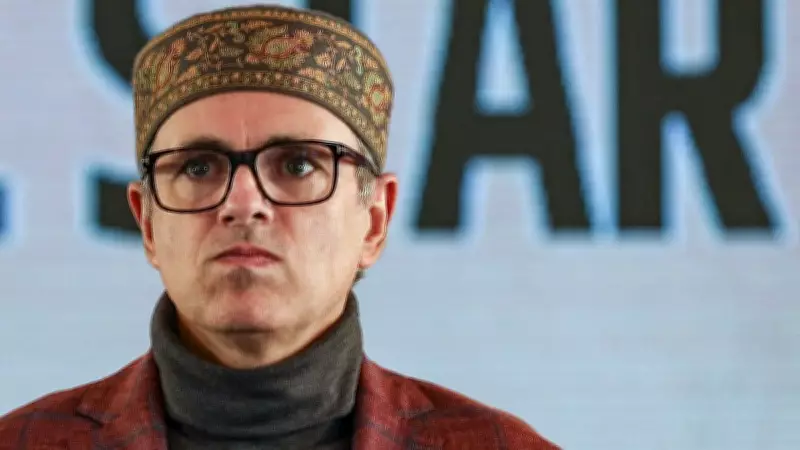
Omar Abdullah's response to these troubling reports has shifted the conversation toward fundamental questions about employment generation within Jammu and Kashmir. The National Conference leader's statement implicitly questions whether sufficient opportunities exist locally to prevent vulnerable workers from seeking livelihoods in potentially hostile environments elsewhere.
The safety concerns highlighted by these incidents extend beyond immediate physical security to encompass broader economic vulnerabilities faced by migrant workers from the region.
Historical Context of Kashmiri Labor Migration
Seasonal migration has long been a feature of economic life for many Kashmiri families, particularly those involved in traditional crafts like shawl making or agricultural labor. However, this pattern of movement has frequently been accompanied by:
- Safety concerns in host communities
- Economic exploitation of migrant workers
- Cultural misunderstandings and tensions
- Limited legal protections for seasonal laborers
The current incidents in Uttarakhand and Himachal Pradesh represent a continuation of these challenges, despite various government initiatives aimed at improving inter-community relations and worker protections.
Broader Implications for Jammu and Kashmir's Economy
The discussion sparked by Omar Abdullah's statement touches on several critical aspects of Jammu and Kashmir's development trajectory:
- Employment generation within the union territory remains a pressing priority for sustainable development
- Worker safety for those who do migrate requires stronger institutional safeguards
- Economic diversification could reduce dependence on seasonal migration patterns
- Community relations between Kashmiris and other Indian communities need continued attention
As these incidents continue to be investigated, the fundamental question remains whether Jammu and Kashmir can develop sufficient economic opportunities to provide dignified livelihoods without forcing vulnerable workers into potentially dangerous situations elsewhere in the country.