In a recent episode of 'Aak Ki Baat', Rajat Sharma delved into Prime Minister Narendra Modi's scathing attack on the Congress party, interpreting it as a strategic move amidst economic and political developments. Modi's rhetoric, according to Sharma, was not merely confrontational but a calculated response to what he termed 'opportunity in anarchy'.
The Context of Modi's Criticism
Prime Minister Modi's remarks came at a time when the Reserve Bank of India (RBI) released its latest GDP growth projections, showing a robust recovery. However, Congress leaders had been questioning the government's economic management. Modi seized this moment to highlight what he described as the opposition's tendency to create chaos for political gain.
RBI's GDP Growth Data
The RBI's projections indicated a growth rate of over 7% for the upcoming fiscal year, signaling a strong rebound. Modi used this data to counter Congress's narrative, arguing that the economy was on a solid footing under his leadership. He accused Congress of undermining national progress by spreading pessimism.

Political Strategy
Sharma pointed out that Modi's aggressive stance was a deliberate strategy to polarize the electorate ahead of key state elections. By painting Congress as anarchic, Modi aimed to consolidate his support base and divert attention from issues like unemployment and inflation. The term 'opportunity in anarchy' suggests that Modi sees political instability as a chance to strengthen his position.
Congress's Response
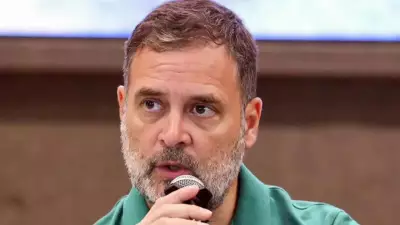
Congress leaders dismissed Modi's accusations, accusing him of diverting attention from real problems. They argued that the GDP growth was not translating into jobs or improved living standards for the common man. The debate highlights the deep political divide in India.
Economic Implications
Economists have mixed views. Some support Modi's optimism about growth, while others caution that structural reforms are needed. The RBI's data shows strong manufacturing and services sectors, but agricultural distress remains a concern. The political sparring over economic data is likely to continue.
In conclusion, Rajat Sharma's analysis underscores how economic numbers are being weaponized in political discourse. Modi's attack on Congress is both a defense of his economic record and a political maneuver to regain narrative control. As India heads into elections, such confrontations are expected to intensify.