

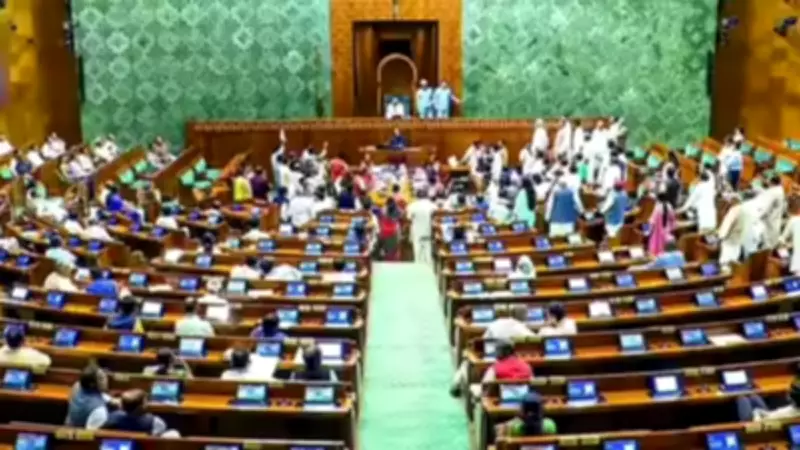
Opposition Seeks Removal of Chief Election Commissioner Gyanesh Kumar in Parliament
The joint opposition on Friday escalated its confrontation with the ruling NDA by moving Parliament for the removal of Gyanesh Kumar as Chief Election Commissioner (CEC). This bold step marks a significant intensification of the anti-BJP camp's protest against the nationwide Special Intensive Revision (SIR) of electoral rolls and the conduct of elections, potentially widening the already deep divide with the government.
Timing and Political Context
The removal notice comes at a critical juncture, just before the Election Commission is expected to announce the schedule for assembly polls in Tamil Nadu, Kerala, West Bengal, Assam, and Puducherry. In these states, key members of the INDIA bloc are set to compete against the BJP, as well as against each other in some instances, making the electoral process highly contentious.
Parliamentary Action and Support
Opposition MPs submitted removal notices in both Houses of Parliament, with 130 Lok Sabha members and 63 from Rajya Sabha signing the petitions. The signatories include not only INDIA bloc parties but also some Independent MPs and the Aam Aadmi Party (AAP), which has been waging its own battle against the Election Commission over grave allegations regarding the SIR of electoral rolls in Delhi. Notably, AAP had walked out of the INDIA bloc after the 2024 Lok Sabha polls.

Charges Against the CEC
Sources within the INDIA bloc revealed that the petitions list seven charges against Kumar. The primary allegations include:
- Partisan and discriminatory conduct in office, suggesting bias in electoral management.
- Deliberate obstruction of investigation into electoral fraud, raising concerns about transparency.
- Mass disenfranchisement of voters, linked to the SIR process that critics claim unfairly targets opposition supporters.
- Misbehaviour, a broad term encompassing ethical violations.
The opposition has specifically raised issues over the SIR conducted for the 2025 Bihar polls and forthcoming elections in states like West Bengal, accusing the CEC of partial conduct towards a particular political party, which they allege is the BJP.
Initiative and Political Dynamics
The move to remove the CEC is largely a Trinamool Congress (TMC) initiative, with West Bengal Chief Minister Mamata Banerjee first making the demand during the Budget session in February. It gained momentum after Mamata led a bellicose, multiple-day protest in Kolkata, highlighting regional tensions.
Interestingly, there was a quid pro quo arrangement that facilitated the early submission of the notices. TMC did not sign a separate removal notice against Speaker Om Birla, which was backed by other opposition parties. However, it supported that notice when it came up in the Lok Sabha this week, following an understanding within the INDIA bloc to jointly sponsor the notice against the CEC.
Legal Process and Political Hurdles
The process for removing a Chief Election Commissioner is similar to that of a Supreme Court judge, as per constitutional provisions. An incumbent can only be removed on grounds of proven misbehaviour or incapacity. According to the Judges (Inquiry) Act, 1968, once a motion to remove a judge is admitted in either the Lok Sabha or Rajya Sabha, the Speaker or Chairman will constitute a three-member panel to investigate the grounds.
After the panel submits its report, it will be tabled in the House for discussions. The motion must then be passed by both Houses by a majority of the total membership and a two-thirds majority of MPs present and voting. Given that the NDA holds a majority in both the Lok Sabha and Rajya Sabha, this makes the opposition's move largely symbolic, as it is unlikely to succeed without bipartisan support.

Broader Implications
This development underscores the deepening political rift in India, with the opposition leveraging parliamentary tools to challenge electoral integrity. The focus on the SIR and alleged partisan conduct reflects ongoing debates about fairness in the electoral process, especially as key state elections approach. While the removal motion faces significant political hurdles, it signals a heightened level of opposition activism and could influence public discourse ahead of the polls.





