Opposition Parties File Unprecedented Resolution Demanding Removal of Lok Sabha Speaker Om Birla
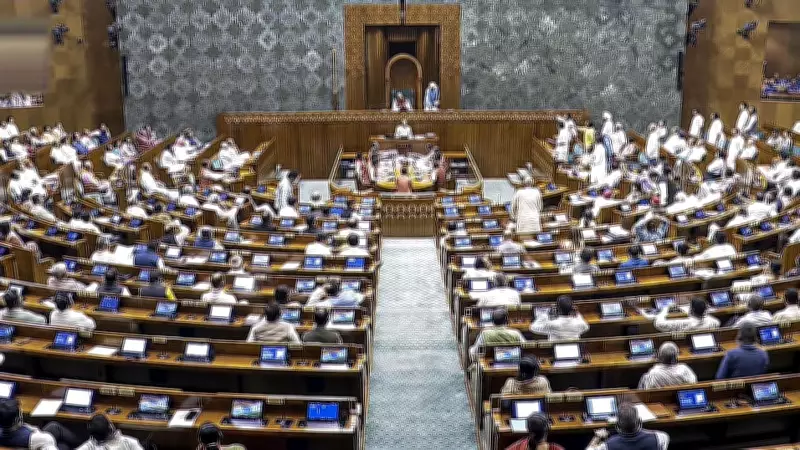
In a historic and contentious move that has sent shockwaves through India's political landscape, opposition parties have jointly submitted an unprecedented resolution calling for the removal of Lok Sabha Speaker Om Birla. This action marks a significant escalation in parliamentary conflicts, with the opposition alleging serious misconduct and a breach of the Speaker's traditional role of impartiality.
Allegations of 'Partisan' Behavior and Breach of Neutrality
The resolution centers on accusations that Speaker Om Birla has engaged in what opposition leaders describe as blatantly 'partisan' behavior. Specifically, the opposition claims that Birla preemptively advised Prime Minister Narendra Modi not to attend certain parliamentary sessions, an action they argue constitutes a complete and unacceptable breach of the Speaker's duty to maintain neutrality. According to the opposition, this intervention undermines the fundamental principles of parliamentary democracy, where the Speaker is expected to act as an unbiased arbiter, ensuring fair proceedings and equal treatment for all parties.
The legal and procedural implications of this move are profound. Historically, resolutions seeking the removal of a Speaker are extremely rare in Indian politics, making this development unprecedented. The opposition argues that Birla's actions have compromised the integrity of the Lok Sabha, necessitating such a drastic measure. They contend that by advising the Prime Minister, Birla overstepped his constitutional boundaries and demonstrated favoritism, thereby eroding public trust in parliamentary institutions.

Context and Reactions from Political Circles
This resolution comes amid heightened political tensions and ongoing debates over governance and legislative conduct. Opposition parties have been vocal in their criticism of what they perceive as increasing centralization of power and erosion of democratic norms. The move to target the Speaker directly reflects their strategy to challenge institutional biases and hold key figures accountable.
Political analysts note that the timing of this resolution is significant, as it coincides with critical legislative sessions and upcoming policy discussions. The opposition's decision to file this resolution underscores their determination to use parliamentary tools to highlight issues of fairness and transparency. Meanwhile, supporters of Speaker Birla and the ruling party have dismissed the allegations as politically motivated, arguing that the Speaker has always upheld the highest standards of conduct and that the opposition is attempting to disrupt parliamentary proceedings for electoral gains.
Potential Outcomes and Broader Implications
The filing of this resolution sets the stage for a potentially intense parliamentary battle. If the resolution is taken up for discussion, it could lead to heated debates and procedural wrangling, further polarizing the political environment. The outcome may influence future Speaker appointments and the perceived neutrality of parliamentary offices, with long-term effects on India's democratic processes.
Key points to consider include:
- The legal basis for the resolution and its adherence to parliamentary rules.
- The response from the ruling party and its allies in defending Speaker Birla.
- The impact on public perception of parliamentary integrity and governance.
- Possible precedents set for future conflicts between the opposition and presiding officers.
As this situation unfolds, it highlights the ongoing challenges in maintaining bipartisan cooperation and institutional trust in India's vibrant democracy. The resolution against Speaker Om Birla is not just a political maneuver but a reflection of deeper tensions over the role and conduct of key democratic institutions.