Opposition Parties to Strategize Women's Quota Implementation in April 15 Meeting
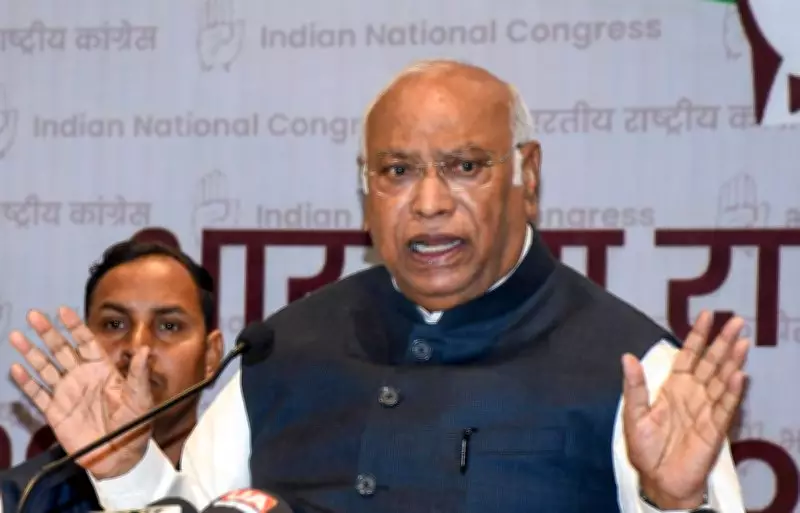
In a significant political development, Congress President Mallikarjun Kharge has announced that opposition parties will convene a crucial meeting on April 15 to deliberate on the implementation of the Women's Reservation Bill. This gathering aims to formulate a unified strategy to ensure the effective rollout of the landmark legislation, which mandates a 33% quota for women in the Lok Sabha and state legislative assemblies.
Focus on Rollout and Coordination
The meeting is expected to bring together leaders from various opposition factions to discuss the practical aspects of implementing the women's quota. Key topics on the agenda include:
- Timeline and Phasing: Assessing the proposed schedule for the quota's introduction and identifying potential delays or hurdles.
- Legal and Administrative Frameworks: Reviewing the necessary amendments to electoral laws and administrative procedures to facilitate the reservation.
- Political Consensus: Exploring ways to build broader support across party lines to smooth the implementation process.
- Grassroots Mobilization: Planning campaigns to raise awareness and encourage women's participation in politics at all levels.
Kharge emphasized that the opposition is committed to advancing gender equality in Indian politics and views this meeting as a pivotal step in translating legislative intent into tangible outcomes. He noted that while the bill's passage was a historic achievement, its successful execution requires meticulous planning and collaborative efforts.

Context and Challenges
The Women's Reservation Bill, passed by Parliament in 2023, represents a major stride toward empowering women in the political arena. However, its implementation has been subject to debates and logistical complexities, including:
- Delimitation and Census Data: The bill's rollout is contingent on the completion of a delimitation exercise based on the next census, which could pose timing challenges.
- Resistance from Some Quarters: Certain political groups and individuals have expressed reservations about the quota, citing concerns over representation and electoral dynamics.
- Infrastructure and Support Systems: Ensuring that women candidates receive adequate resources, training, and institutional backing to contest and serve effectively.
The April 15 meeting is seen as an opportunity for the opposition to address these issues collectively and present a cohesive front. By doing so, they aim to hold the government accountable and push for a transparent and expedited implementation process.
Broader Implications for Indian Democracy
This initiative underscores the opposition's role in shaping policy discourse and monitoring governance. The women's quota is not merely a political tool but a transformative measure that could redefine India's democratic landscape by:
- Enhancing Inclusivity: Bringing diverse perspectives and experiences into legislative bodies, thereby enriching policy-making.
- Inspiring Future Generations: Serving as a catalyst for increased women's participation in public life and leadership roles.
- Strengthening Accountability: Potentially leading to more responsive and equitable governance through greater female representation.
As the meeting approaches, political analysts are closely watching how the opposition navigates internal differences and crafts a viable roadmap. The outcome could influence not only the quota's implementation but also the broader dynamics of coalition politics in India.
In summary, the opposition's decision to meet on April 15 highlights a concerted effort to prioritize gender parity in politics. With Mallikarjun Kharge at the helm, this gathering promises to be a landmark event in the ongoing journey toward a more inclusive and representative democracy.