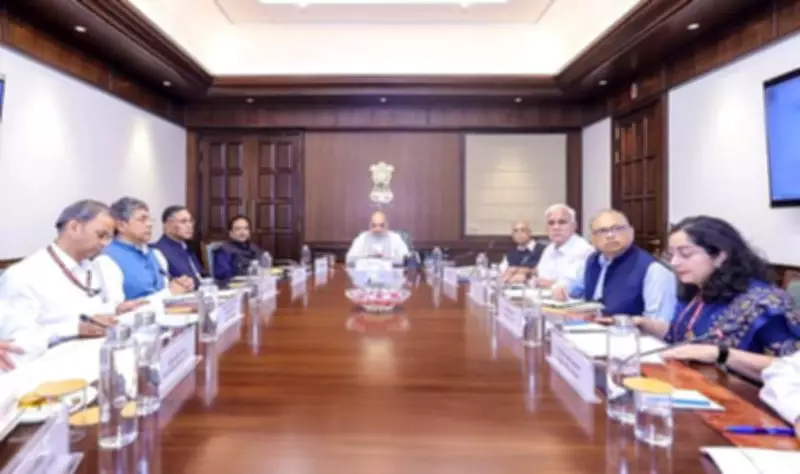
The high-level committee constituted to examine demographic changes in India is set to visit states and union territories to obtain a first-hand ground-level understanding of the situation. The panel, headed by Union Home Minister Amit Shah, has prepared a detailed questionnaire to be sent to states and UTs in advance, aiming to make the subsequent visits "more meaningful and interactive."
Committee's Objective and Scope
The committee was formed by the central government to study the implications of demographic shifts across the country, including population growth, migration patterns, and socio-economic impacts. The visits are intended to supplement data already collected with direct observations and discussions with local officials and stakeholders.
Questionnaire and Visit Schedule
A comprehensive questionnaire has been drafted to gather relevant information from states and union territories prior to the visits. This pre-visit data collection is designed to streamline the process and allow committee members to focus on specific issues during their interactions. The schedule of visits is yet to be finalized, but sources indicate that the committee will prioritize regions experiencing significant demographic changes.

According to an official statement, the committee aims to engage with state governments, local bodies, and community representatives to understand the challenges and opportunities arising from demographic trends. The feedback received will inform policy recommendations to be submitted to the central government.
Context and Significance
India is undergoing rapid demographic transformation, with some regions facing population aging while others see youthful growth. Migration from rural to urban areas and between states also reshapes the demographic landscape. The committee's work is seen as crucial for formulating targeted policies for healthcare, education, employment, and infrastructure.
The panel includes experts in demography, economics, and social sciences, along with senior government officials. Its interim report is expected within six months, with a final report to follow after further consultations.