

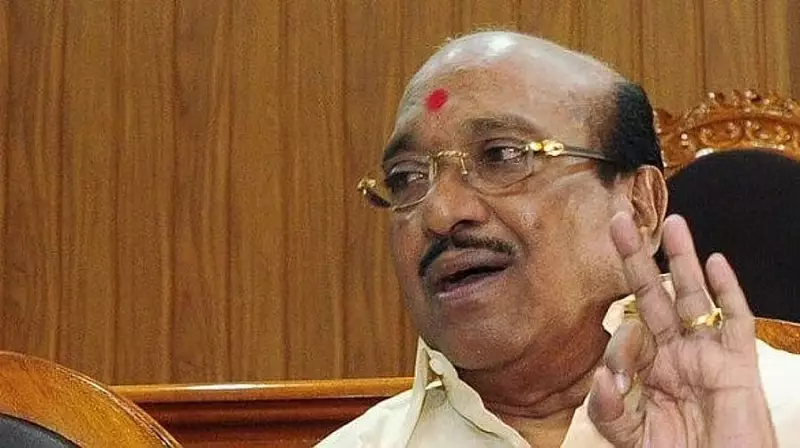
Petition Filed Against Padma Bhushan Award to SNDP Leader Vellappally Natesan
A significant controversy has erupted in Kerala as a forum has submitted a formal petition challenging the prestigious Padma Bhushan award conferred upon Sree Narayana Dharma Paripalana (SNDP) Yogam general secretary Vellappally Natesan. The petition, filed recently, raises serious concerns about Natesan's eligibility for the honor, citing his status as an accused in multiple legal cases.
Allegations and Legal Entanglements
The forum's petition highlights that Vellappally Natesan is facing charges in a staggering 127 cases, which primarily revolve around allegations of financial misconduct. Most of these cases pertain to the misappropriation of funds from SNDP's micro-finance scheme, raising questions about financial integrity and governance within the organization.
In addition to the financial allegations, the petition also mentions a particularly grave case involving the abetment of suicide of a former SNDP official. This adds a layer of severity to the legal challenges Natesan is confronting, potentially impacting public perception and the ethical considerations surrounding the Padma award.

Context and Implications
The Padma Bhushan is one of India's highest civilian awards, recognizing distinguished service of a high order in various fields. The petition against Natesan's award underscores ongoing debates about the criteria and scrutiny involved in selecting recipients, especially when nominees have pending legal issues.
This development has sparked discussions in Kerala and beyond, with stakeholders weighing in on the balance between honoring contributions and ensuring accountability. The SNDP, a prominent social organization in Kerala, finds itself at the center of this controversy, as the allegations against its general secretary cast a shadow over the award.
As the petition gains attention, it remains to be seen how authorities will respond to these concerns and whether they will review the decision in light of the cited legal cases. The outcome could set a precedent for future award selections, emphasizing transparency and ethical standards in the conferment of national honors.






