

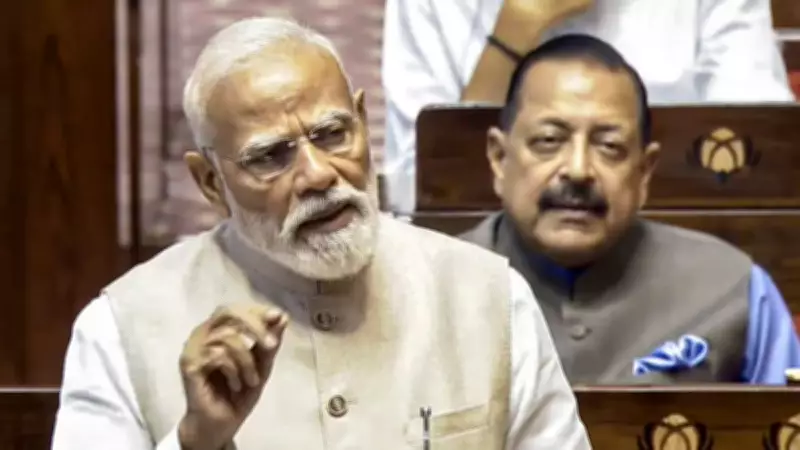
PM Modi Calls on Parliament to Back Women's Quota Legislation
Prime Minister Narendra Modi has issued a compelling appeal to Members of Parliament across party lines to cast their votes in support of the Women's Reservation Bill. In a significant address, he framed the legislation as a critical step for the empowerment of the nation's Nari Shakti (women's power), urging lawmakers to prioritize this historic move for gender equality in India's political landscape.
A Landmark Bill for Women's Representation
The proposed bill aims to reserve a substantial quota of seats for women in the Lok Sabha and state legislative assemblies. This initiative is designed to address the longstanding underrepresentation of women in Indian politics, where female participation has often lagged behind global benchmarks. By advocating for this bill, PM Modi highlighted its potential to transform governance and ensure that women's voices are heard at the highest levels of decision-making.
Emphasis on National Progress and Empowerment
In his appeal, the Prime Minister stressed that supporting the Women's Reservation Bill is not merely a political act but a duty towards the nation's progress. He argued that empowering women through increased political representation would lead to more inclusive policies and foster socio-economic development. The call to action was made with a focus on unity, as PM Modi encouraged MPs to set aside partisan differences and vote on behalf of the country's women.

Key Points of the Appeal
- Historical Significance: The bill is portrayed as a milestone in India's journey towards gender parity, with PM Modi noting its alignment with the government's broader efforts to promote women's rights.
- Political Consensus: Despite potential debates, the appeal seeks to build a consensus among all political parties, emphasizing the bill's importance beyond electoral gains.
- Future Impact: Increased women's representation is expected to bring diverse perspectives to policymaking, potentially leading to more effective governance and social reforms.
Broader Context and Implications
The Women's Reservation Bill has been a topic of discussion for years, with various attempts to pass it facing hurdles. PM Modi's recent push signals a renewed commitment to this cause, aligning with global trends towards greater gender equality in politics. If enacted, the bill could significantly alter the composition of India's legislative bodies, paving the way for more women leaders to emerge and contribute to national development.
As the parliamentary vote approaches, the Prime Minister's appeal underscores the urgency of this legislation. It reflects a strategic move to galvanize support and ensure that the bill receives the necessary backing to become law, marking a pivotal moment for women's empowerment in India.






