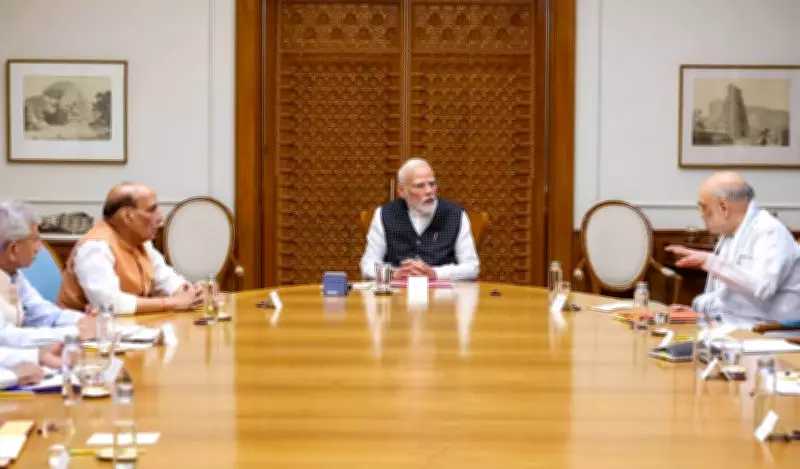
Prime Minister Modi Convenes High-Level Security Committee to Address West Asia Conflict Fallout
Prime Minister Narendra Modi chaired a crucial meeting of the Cabinet Committee on Security (CCS) on Wednesday, focusing on the escalating conflict in West Asia and its potential repercussions for India. The high-level gathering, attended by key ministers and security officials, delved into the multifaceted impacts on critical domestic sectors, with agriculture and aviation emerging as primary areas of concern.
Strategic Assessment of Regional Instability
The CCS, India's apex body for security-related decision-making, conducted a comprehensive review of the volatile situation in West Asia. The discussion centered on how the ongoing hostilities could disrupt global supply chains and energy markets, directly affecting India's economic and strategic interests. Officials analyzed intelligence reports and diplomatic inputs to gauge the conflict's trajectory and its implications for regional stability.
Agriculture Sector Under the Spotlight
A significant portion of the meeting was dedicated to evaluating the war's impact on India's agricultural landscape. Key concerns included:

- Fertilizer Supply Disruptions: Potential shortages and price hikes for critical inputs like phosphatic and potassic fertilizers, which India imports from the region.
- Export Market Volatility: Risks to agricultural exports, including basmati rice and other commodities, due to logistical challenges and shifting trade dynamics.
- Food Security Considerations: Broader implications for national food security if conflict-induced disruptions affect global grain markets or domestic production costs.
The committee discussed contingency plans, including diversifying import sources and boosting domestic fertilizer production through policy interventions.
Aviation Industry Faces Turbulence
The aviation sector also received detailed scrutiny during the CCS deliberations. Points of discussion encompassed:
- Flight Route Alterations: The necessity for Indian airlines to reroute flights avoiding conflict zones, leading to increased fuel consumption, longer travel times, and higher operational costs.
- Insurance Premium Surges: Anticipated rises in insurance premiums for aircraft and cargo operating in or near the affected region, impacting airline profitability.
- Passenger Safety Protocols: Enhanced security measures and emergency evacuation plans for Indian nationals in West Asia, ensuring their safe repatriation if required.
The meeting emphasized coordination between the Ministry of Civil Aviation, airlines, and security agencies to mitigate these challenges.
Broader Security and Diplomatic Dimensions
Beyond sectoral impacts, the CCS meeting addressed wider security ramifications. This included monitoring the conflict's potential to fuel terrorism, affect energy imports, and influence India's diplomatic engagements in the Middle East. The committee underscored the importance of maintaining a balanced foreign policy while safeguarding national interests.
The discussions concluded with directives for ministries to prepare detailed action plans and maintain vigilant monitoring of the situation. The government aims to proactively address vulnerabilities, ensuring minimal disruption to India's economy and the well-being of its citizens amid global uncertainties.