Parliament Poised for Historic Decision on Women's Reservation
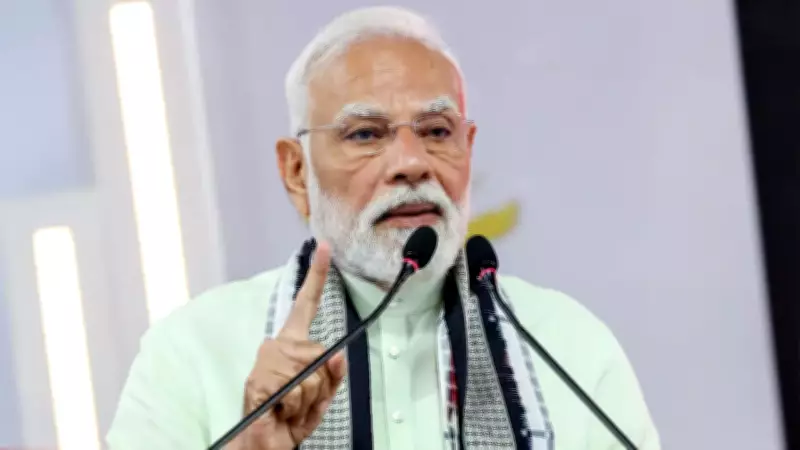
Prime Minister Narendra Modi declared on Monday that Parliament stands on the brink of creating history as it prepares to take up his government's bills to implement women's reservation in legislatures from 2029. Speaking at the Nari Shakti Vandan programme attended by women achievers and former Lok Sabha Speaker Meira Kumar of Congress, Modi expressed confidence that opposition parties will ultimately back the measures to ensure unanimous support.
Cross-Party Support and Historical Context
While several opposition parties have criticized the government for "rushing" through the bills during state elections and questioned the delimitation proposal, Modi emphasized the long-standing cross-party support the women's quota proposal has enjoyed. He specifically noted the broad backing during 2023 when the original law was enacted, asserting that credit for its passage will belong to every political party.
"Our country's Parliament is on the brink of creating history," Modi told the audience, highlighting that India is about to take one of the most important decisions of the 21st century. The decades-long wait for reservation for women in one-third of seats in Lok Sabha and state assemblies will finally end during Parliament's three-day sitting beginning April 16.

Modi's Commitment to Women's Empowerment
The Prime Minister detailed his longstanding commitment to women's empowerment, tracing it back to his tenure as Gujarat Chief Minister when he launched numerous schemes targeting different sectors for women's welfare. He evoked applause as he described how measures to financially empower women, including registering government-assisted houses in their names, have given them greater say in family decision-making.
"It is our priority that this time also it is done with dialogue, cooperation and everyone's participation," Modi stated, acknowledging that when the law was enacted in 2023, everyone wanted its quick implementation, with opposition MPs particularly vocal about enforcement from 2029.
Political Dynamics and Implementation Challenges
The government requires support from at least a section of opposition parties for passage of the constitutional amendment bill, which needs a two-thirds majority. However, none of BJP's main rivals—including Congress, TMC, DMK, and SP—have yet pledged categorical support. These four parties collectively have enough MPs to potentially block passage in Lok Sabha if they remain opposed.
Modi noted that the government seriously considers what the opposition says, suggesting ongoing dialogue despite the current political tensions. The implementation timeline starting from 2029 has become a focal point of discussion, with the Prime Minister reminding everyone that opposition MPs themselves had advocated for this timeframe during previous debates.
The Nari Shakti Vandan event served as both a celebration of women's achievements and a platform for building consensus around this landmark legislation that promises to transform India's political landscape for generations to come.