

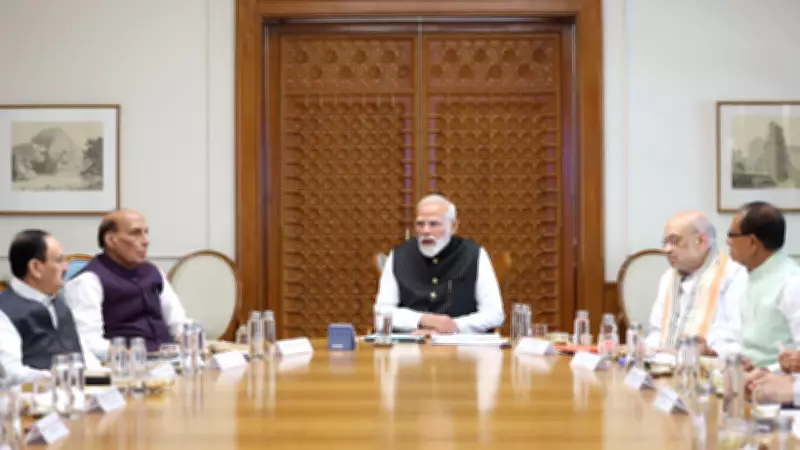
PM Modi Chairs High-Level Meeting on Energy Security Amid Middle East Conflict
Prime Minister Narendra Modi on Sunday chaired a high-level meeting to review the situation related to petroleum, crude oil, natural gas, power, and fertilizer sectors amid the evolving situation in the Middle East. The meeting focused on ensuring uninterrupted supply of essential resources, maintaining stable logistics, and streamlining distribution across the country.
Ensuring Uninterrupted Supply and Stable Logistics
Officials briefed the Prime Minister on preparedness measures to tackle any potential disruptions arising from geopolitical developments in the region. The government is closely monitoring the situation to safeguard energy security and ensure that supply chains remain resilient, with an emphasis on minimizing any impact on consumers and key sectors of the economy.
PM Modi's Previous Statements on the Crisis
On March 12, PM Modi had said that the war in the Middle East region has triggered a worldwide energy crisis, calling it a “critical test of national character” that requires handling the situation with peace, patience, and greater public awareness. The prime minister had also emphasized that the government is working relentlessly to address disruptions in international supply chains. “Continuous efforts are also underway to determine how we can overcome the disruptions that have occurred in the supply chain,” he said.

Escalation of the Conflict and Its Impact
The conflict, now in its third week, began on February 28 with attacks by the US and Israel on Iran and has since escalated, with Iran retaliating against Israel and several Gulf neighbors. Iran’s control over the Strait of Hormuz, a key global shipping route for energy supplies, has significantly impacted movement, with limited ships allowed to pass. The resulting blockade has disrupted energy supplies to several countries, including India.
Diplomatic Engagements by PM Modi
Since the conflict began, Prime Minister Narendra Modi has held telephonic conversations with several global leaders, including those from Saudi Arabia, the UAE, Qatar, Bahrain, Kuwait, Jordan, France, Malaysia, Israel, and Iran. These discussions aim to address the broader implications of the conflict and ensure collaborative efforts in maintaining global stability.
The government's proactive measures underscore its commitment to mitigating risks and protecting national interests during this volatile period. With energy security being a top priority, India is taking comprehensive steps to navigate the challenges posed by the ongoing Middle East tensions.






