PM Modi Declares Women's Quota Implementation Cannot Be Delayed
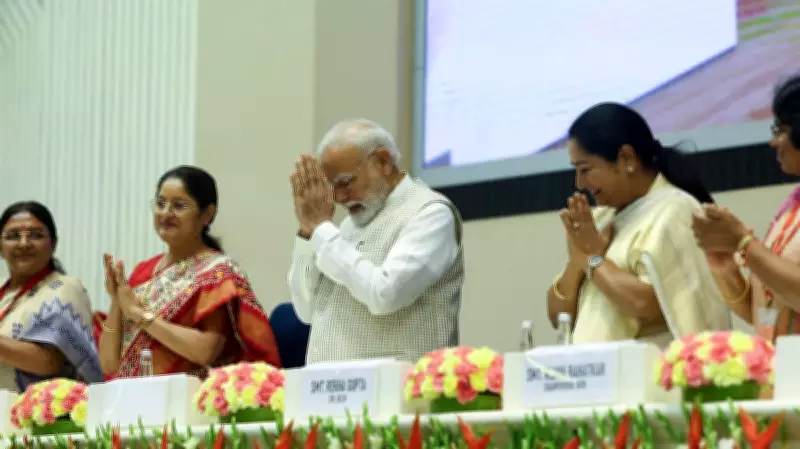
Prime Minister Narendra Modi has made a resolute statement on the long-pending Women's Reservation Bill, asserting that the empowerment of women in Indian politics must not be postponed indefinitely. In a powerful address, he emphasized that the nation's daughters deserve immediate and substantive representation in legislative bodies, marking a significant push for gender equality in governance.
Urgent Call for Political Empowerment
The Prime Minister highlighted the critical need to move beyond mere discussions and take concrete steps toward implementing the bill, which aims to reserve one-third of seats in the Lok Sabha and state legislative assemblies for women. He argued that delaying this reform perpetuates historical inequities and undermines the democratic principles of inclusion and fairness. Modi's remarks come amid ongoing debates and political maneuvering surrounding the bill, which has faced various hurdles since its introduction.
Historical Context and Current Challenges
The Women's Reservation Bill, first proposed in 1996, has seen multiple attempts at passage but has often been stalled due to lack of consensus among political parties. Modi pointed out that successive governments have failed to prioritize this issue, leaving women underrepresented in decision-making processes. He stressed that in today's rapidly evolving India, where women are excelling in diverse fields from science to sports, their political participation must catch up to reflect their contributions and aspirations.

- Women's reservation is essential for a balanced and progressive democracy.
- India cannot afford to delay this reform any longer, as it impacts half the population.
- The bill will help address gender-based disparities in policy-making and resource allocation.
- Empowering women politically aligns with broader national goals of social justice and economic growth.
Broader Implications for Governance
Implementing the Women's Reservation Bill is expected to transform the political landscape by bringing more diverse perspectives to the forefront. Studies suggest that increased female representation can lead to policies that better address issues like healthcare, education, and social welfare, benefiting society as a whole. Modi's advocacy signals a potential shift in political will, though challenges remain in building cross-party support and navigating legislative procedures.