PMO Funds: Government Cites Lack of Parliamentary Approval to Avoid Questions
In a recent development, the Indian government has stated that funds allocated to the Prime Minister's Office (PMO) are not supported by any budgetary allocation approved by Parliament. This reasoning has been used to justify that questions regarding the affairs of these funds cannot be admitted in parliamentary sessions.
Background of the Issue
The controversy centers on the transparency and accountability of financial resources managed by the PMO. According to official statements, since these funds do not fall under the purview of Parliament-approved budgets, they are exempt from parliamentary scrutiny. This stance has raised concerns among critics and transparency advocates about the potential for misuse or lack of oversight.
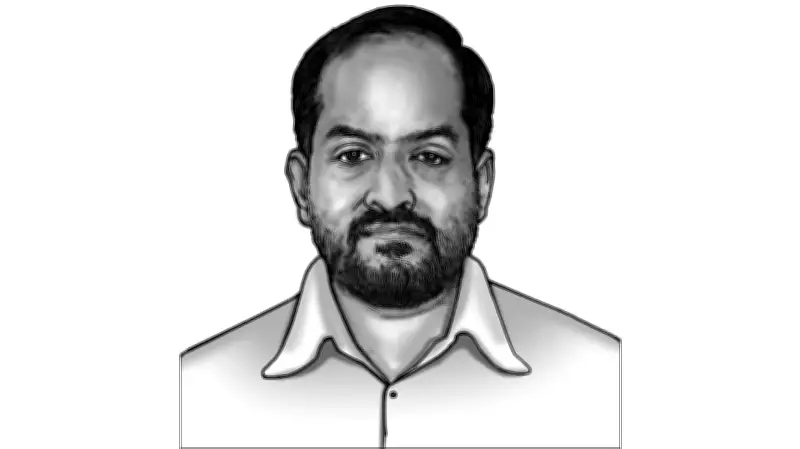
Venkatesh Nayak, in his analysis, highlights that this approach could set a precedent for other government offices to avoid accountability. He argues that without parliamentary oversight, there is a risk of funds being used without proper checks and balances, potentially undermining democratic principles.

Implications for Governance
The government's position has sparked a debate on the balance between executive autonomy and legislative oversight. Proponents of the move suggest that it allows for more flexible and efficient use of resources in critical areas. However, opponents warn that it may erode public trust and lead to a lack of transparency in government operations.
Key points from the discussion include:
- The PMO funds are not part of the annual budget passed by Parliament.
- Questions about these funds are being rejected in parliamentary proceedings.
- This could impact accountability mechanisms in other government departments.
As the issue gains attention, there are calls for a review of the rules governing such funds to ensure they align with democratic norms. The debate continues, with stakeholders urging for clearer guidelines to prevent any misuse while maintaining operational efficiency.