

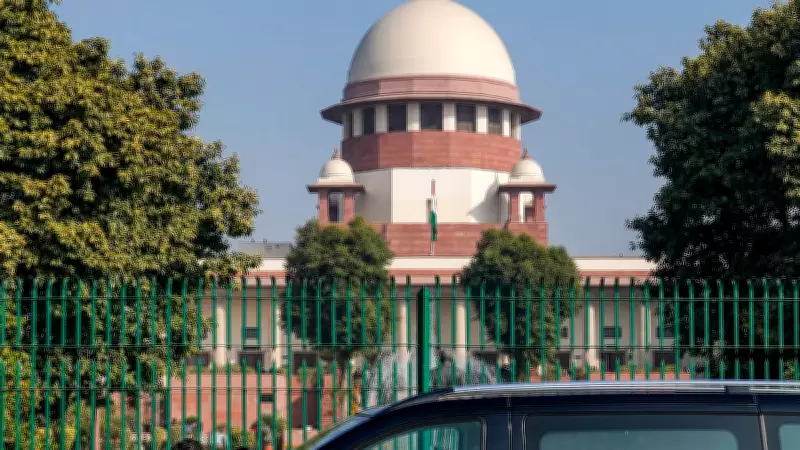
The Supreme Court on May 19, 2026, observed that banks adopt a casual approach when sanctioning large loans to big corporate entities, while ordinary citizens endure what it termed 'borderline harassment' in loan recovery processes. A bench comprising Justices Ahsanuddin Amanullah and R Mahadevan made the observation while hearing a petition filed by M/s Bhaskar International Private Limited against an order of the Punjab and Haryana High Court.
Court's Strong Remarks
The bench expressed concern over the differential treatment meted out by banks to large borrowers versus small borrowers. It noted that big entities often receive huge loans without rigorous scrutiny, whereas common individuals face aggressive recovery tactics, including threats and undue pressure. The court termed such practices as 'borderline harassment' and called for a more balanced approach.
Case Background
The case involved a dispute between Bhaskar International and a bank over loan repayment. The company had challenged the high court's order that had allowed the bank to take possession of its assets. During the hearing, the Supreme Court questioned the bank's conduct and highlighted the disparity in lending and recovery practices.

Implications for Banking Sector
This observation by the apex court could prompt banking regulators to review lending norms and recovery mechanisms. The court's remarks underscore the need for transparency and fairness in banking operations, ensuring that both large and small borrowers are treated equitably. The judgment is expected to influence future cases involving loan recovery and borrower rights.
The Supreme Court's stance serves as a reminder to financial institutions that their practices must not be discriminatory. It also reinforces the principle that the rule of law applies equally to all, regardless of economic stature. The matter is likely to be heard further, with the court expected to issue specific guidelines to prevent harassment of ordinary citizens.






