

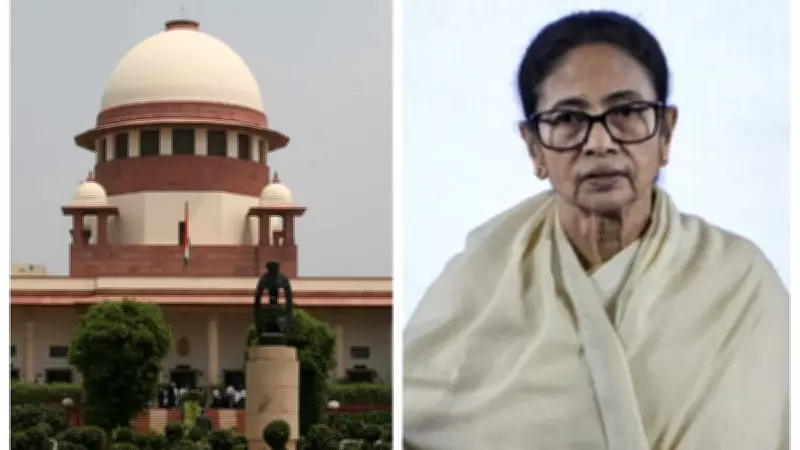
Supreme Court Voices Concern Over Mamata Banerjee's Actions During ED Raids
The Supreme Court of India has openly expressed its dissatisfaction regarding recent events involving West Bengal Chief Minister Mamata Banerjee and Enforcement Directorate (ED) operations. During a hearing, the court described the situation as "not a happy situation", highlighting the gravity of the alleged interference by the chief minister in ongoing raids conducted by the federal agency.
Legal Proceedings and Response Requests
In the same session, senior advocate Shyam Divan, representing one of the respondents in the case, formally requested additional time to prepare and submit a response. This request pertains specifically to a rejoinder affidavit that was previously filed by the Enforcement Directorate, adding another layer of complexity to the legal battle.
The court's remarks underscore the escalating tensions between state authorities and central investigative bodies, with this instance focusing on the actions of CM Mamata Banerjee. The ED has been actively conducting raids as part of its investigations, and any perceived obstruction by high-ranking officials raises significant constitutional and operational concerns.

Broader Implications for Governance and Law Enforcement
This development is not merely a procedural footnote; it carries substantial implications for the rule of law and the separation of powers in India. Key points to consider include:
- The Supreme Court's role in adjudicating disputes between state and central agencies.
- The potential impact on future ED operations in West Bengal and other states.
- The legal and political ramifications for Chief Minister Mamata Banerjee and her administration.
As the case progresses, all eyes will be on the Supreme Court's subsequent rulings and the responses from both the ED and the respondents. The outcome could set important precedents for how similar conflicts are handled in the future, balancing state autonomy with federal investigative mandates.
The situation remains fluid, with further hearings expected to shed more light on the specifics of the alleged interruptions and the legal arguments from all parties involved.






