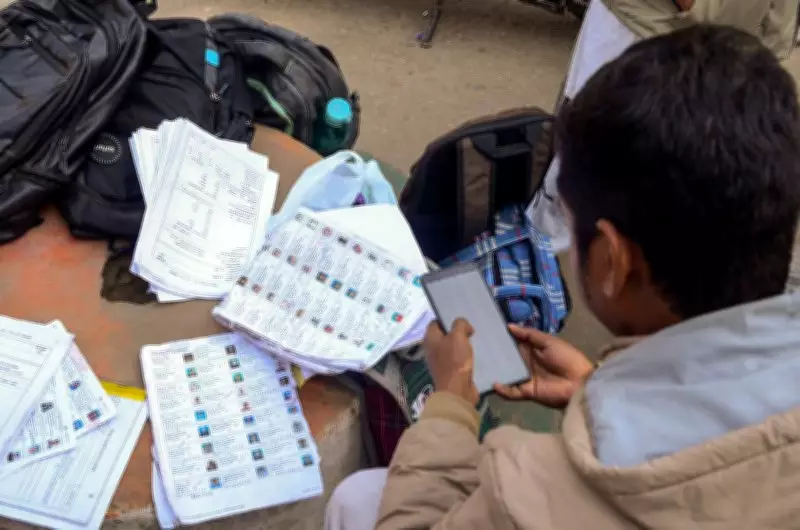
The Supreme Court of India has upheld the validity of the 'SIR' (Supplemental Inclusion Revision) process in electoral rolls, ruling that it advances the constitutional imperative of conducting free and fair elections. The judgment came in response to a batch of petitions challenging the process, which allows for the inclusion of names in electoral rolls after the publication of the final draft.
Key Highlights of the Judgment
A bench comprising Justices K.M. Joseph and B.V. Nagarathna delivered the verdict, emphasizing that the SIR process is not arbitrary but serves a crucial democratic purpose. The court noted that the process ensures that eligible voters are not disenfranchised due to administrative delays or errors in the initial compilation.
Constitutional Mandate
The court observed that the Constitution mandates the Election Commission to prepare and revise electoral rolls at regular intervals. The SIR process, which allows for continuous updation, is in line with this mandate. The bench stated that restricting the inclusion of names only to the final draft would defeat the purpose of ensuring a comprehensive and accurate electoral roll.

Arguments and Counterarguments
Petitioners had argued that the SIR process could be misused to manipulate electoral rolls, especially in the run-up to elections. However, the court dismissed these concerns, stating that adequate safeguards are in place. The Election Commission has the authority to verify claims and objections before including names, ensuring that the process remains transparent.
Implications for Future Elections
The ruling is expected to have significant implications for upcoming elections, as it allows for the inclusion of newly eligible voters and those who were inadvertently left out. Political parties had expressed concerns about the potential for fraud, but the court's decision reassures that the process is robust and constitutional.
Reactions from Stakeholders
The Election Commission welcomed the judgment, stating that it reinforces the integrity of the electoral process. Civil society groups also lauded the decision, highlighting that it ensures maximum voter participation. However, some opposition parties expressed reservations, vowing to monitor the implementation closely.
In its detailed judgment, the Supreme Court also directed the Election Commission to issue clear guidelines for the SIR process, ensuring uniformity across states. The court further emphasized that any misuse of the process would be subject to judicial review, maintaining a check on potential malpractices.
The verdict underscores the judiciary's commitment to upholding democratic principles and ensuring that every eligible citizen has the opportunity to exercise their franchise. As India gears up for several state elections and the general election, this ruling provides clarity on the legal framework governing electoral rolls.