

Democratic Senators Demand Action Against Chinese Automakers
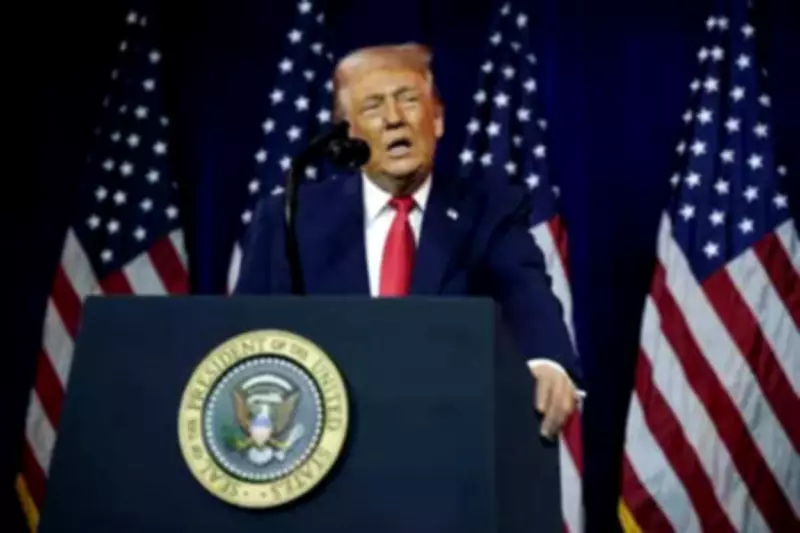
Three prominent Democratic senators have formally requested President Donald Trump to take decisive measures against Chinese automakers, warning of severe risks to both economic stability and national security. Senators Tammy Baldwin, Chuck Schumer, and Elissa Slotkin have issued a compelling appeal, urging the administration to halt what they describe as unfair competition that undermines American workers and poses unprecedented dangers.
Call to Prohibit Chinese Vehicles
In a detailed letter addressed to the President, the senators emphasized the urgent need to crack down on the manufacture, sale, or operation of Chinese automotive companies and their vehicles on US soil. They specifically called for prohibiting Chinese vehicles manufactured or titled in Canada and Mexico from entering the United States. Furthermore, they advocated for international collaboration with allies worldwide to address the growing threat posed by these vehicles.
The senators highlighted the critical importance of America's automakers and their supply chains, which they described as a vital component of the nation's economic security. The auto industry supports approximately 10.95 million jobs and contributes between 3% to 5% of the United States GDP, underpinning a vast manufacturing ecosystem that includes sectors like steel, semiconductors, and tires.

Economic and National Security Concerns
The letter expressed strong objection to President Trump's previous comments at the Detroit Economic Forum on January 13, where he indicated a willingness to welcome Chinese automakers into the US market. The senators argued that allowing companies backed by the Chinese Communist Party (CCP) to establish operations in the United States would have far-reaching negative consequences.
They warned that Chinese automakers do not compete on a level playing field, citing exploitative practices such as low wages, repression of labor unions, and state-sponsored subsidies. This, they claimed, gives Chinese companies an insurmountable economic advantage that could devastate American manufacturing and lead to significant job losses.
Threats from Connected Vehicles
A major point of concern raised in the letter is the national security risk associated with connected vehicles. Modern vehicles equipped with technology that can transmit data externally pose a grave threat if driven near sensitive locations like military sites or government buildings. The senators referenced incidents, such as remote shutdowns of buses in Norway by a Chinese manufacturer, to illustrate the potential dangers.
They also noted that Chinese automakers participate in the People's Liberation Army's military-civil fusion strategy, meaning commercial activities could subsidize military efforts. This integration creates vulnerabilities in supply chains that could be exploited in conflicts, undermining US security interests.
International Implications and Labor Issues
The senators pointed to recent developments in Canada, where tariff reductions for Chinese electric vehicles have raised alarms. They argued that such moves jeopardize shared security interests with the US and highlight the rapid expansion of Chinese automakers in markets like Mexico, where imports have surged dramatically.
Additionally, the letter condemned China's poor labor conditions, including state-sanctioned forced labor and low wages, which provide an unfair economic advantage. Examples from BYD plants in China and Brazil were cited to underscore these exploitative practices.
Urgent Recommendations
To address these threats, the senators urged the Trump Administration to:

- Maintain or accelerate restrictions on connected vehicles from China, as outlined in a 2025 Department of Commerce rule.
- Designate Chinese automakers like BYD as military-connected entities to prevent quiet reversals of such designations.
- Work with allies to counter the global threat posed by Chinese vehicles and spur innovation in the US auto industry.
In conclusion, the senators stressed that allowing Chinese automakers into the United States would expedite Beijing's path to global dominance while American workers and manufacturing pay the price. They called for a clear and firm stance to protect economic and national security interests.





