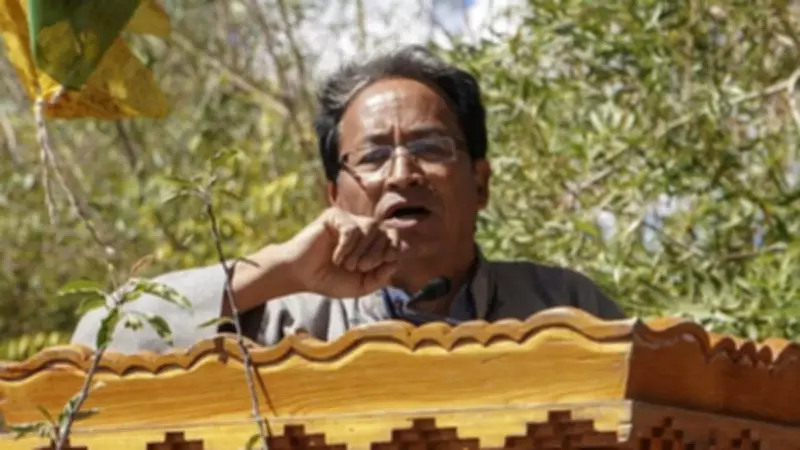
Environmental activist and education reformist Sonam Wangchuk has sparked a fresh debate by referring to himself as an 'honorary cockroach' while urging the government to pay heed to the voices of the youth. Speaking on the controversy in an interview with PTI, Wangchuk emphasized that the ongoing campaign should be perceived as a form of democratic feedback rather than a threat to the establishment.
Wangchuk's Unconventional Self-Description
In a candid conversation, Wangchuk explained his choice of words, stating that cockroaches are resilient creatures that survive against all odds. He said, 'I call myself an honorary cockroach because cockroaches are known for their survival instincts. Similarly, we need to survive the system and keep pushing for change.' The activist clarified that his remark was not meant to be disrespectful but rather a metaphorical call for persistence in the face of adversity.
Democratic Feedback Over Threats
Wangchuk urged the government to view the protests and campaigns led by young people as constructive feedback mechanisms. 'When thousands of youth take to the streets, it is not a threat but a signal that something needs attention. The government should listen and engage in dialogue instead of dismissing their concerns,' he said. He stressed that democratic societies thrive on such exchanges and that silencing voices only leads to greater unrest.

Call for Inclusive Governance
The activist also called for more inclusive governance, where the aspirations and frustrations of the younger generation are taken seriously. 'The youth are the future, and their ideas can shape a better tomorrow. But if they feel unheard, they will find other ways to express themselves,' he warned. Wangchuk's comments come amid a series of youth-led movements across the country, demanding action on issues ranging from climate change to unemployment.
Reactions and Implications
Wangchuk's statement has drawn mixed reactions. While some have praised his candidness and resilience, others have criticized the comparison. However, the activist remains unfazed, insisting that the core message is about the need for dialogue. 'Labels don't matter; what matters is that we keep the conversation going,' he concluded.
The interview has reignited discussions on the role of dissent in a democracy and how governments can better engage with younger populations. As India navigates complex socio-political challenges, voices like Wangchuk's serve as a reminder of the power of peaceful protest and the importance of listening to all sections of society.