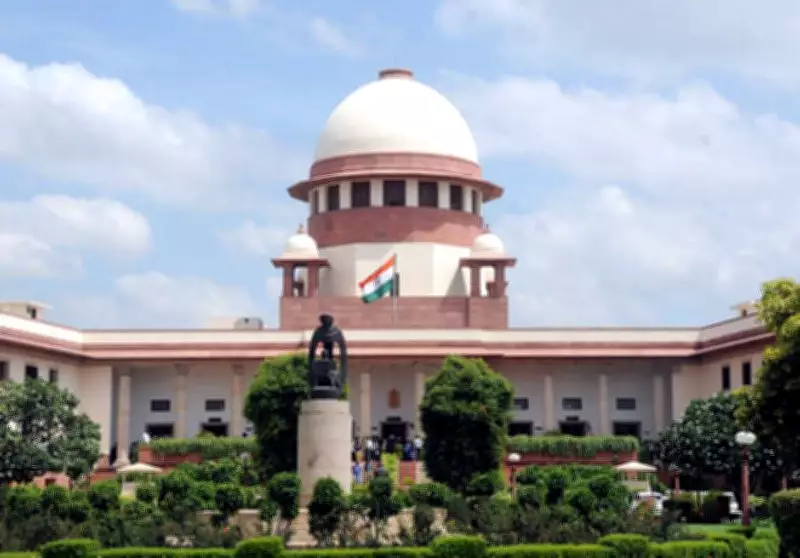
The Tamil Nadu government has approached the Supreme Court challenging the Madras High Court order that imposed a blanket ban on cow slaughter across the state. The state government argues that the high court's order contradicts the Tamil Nadu Animal Preservation Act, 1958, which permits the slaughter of cows aged over 10 years that are unfit for work or breeding, provided a certificate is obtained from a competent authority.
Background of the High Court Order
On May 27, 2026, the Madras High Court directed the state Chief Secretary and the Director General of Police to ensure that no cow or calf is slaughtered in Tamil Nadu, either on the eve of Bakrid (May 28) or on any other day. The order came in response to a public interest litigation filed by K Surya, also known as K Surya Prasanth, the youth wing secretary of Indu Makkal Katchi.
The high court based its decision on a government order from August 1976, which prohibited cow slaughter in the interest of milk production and improvement of the rural economy. The court also cited Article 48 of the Constitution of India, which directs the State to take steps for prohibiting the slaughter of cows, calves, and other milch and draught cattle.

State Government's Contention
The Tamil Nadu government, in its appeal before the Supreme Court, argued that the high court's blanket ban is contrary to the provisions of the Tamil Nadu Animal Preservation Act, 1958. Under this act, the slaughter of cows that are over 10 years of age and are unfit for work or breeding is permitted, subject to a certificate from a competent authority. The state government emphasized that it does not seek unrestricted slaughter but wants it to be allowed only at designated places, as per the existing legal framework.
Legal and Constitutional Context
Article 48 of the Constitution, which falls under the Directive Principles of State Policy, mandates the State to organize agriculture and animal husbandry on modern and scientific lines and to take steps for preserving and improving the breeds of cattle. Specifically, it prohibits the slaughter of cows, calves, and other milch and draught cattle. However, the Tamil Nadu government contends that the state law provides a balanced approach by allowing the slaughter of aged and unproductive cows, which is essential for cattle management and the livelihood of those in the meat industry.
The high court's order had immediate implications, particularly around the festival of Bakrid, when animal sacrifice is practiced. The state government sought to avoid a complete ban that could disrupt religious practices and economic activities.
Next Steps in the Supreme Court
The Supreme Court is expected to hear the Tamil Nadu government's plea challenging the Madras High Court order. The outcome will have significant implications for cow slaughter regulations in the state and potentially set a precedent for other states with similar laws. The central government's stance on the matter may also influence the proceedings, given the constitutional provisions and existing central laws on cattle preservation.