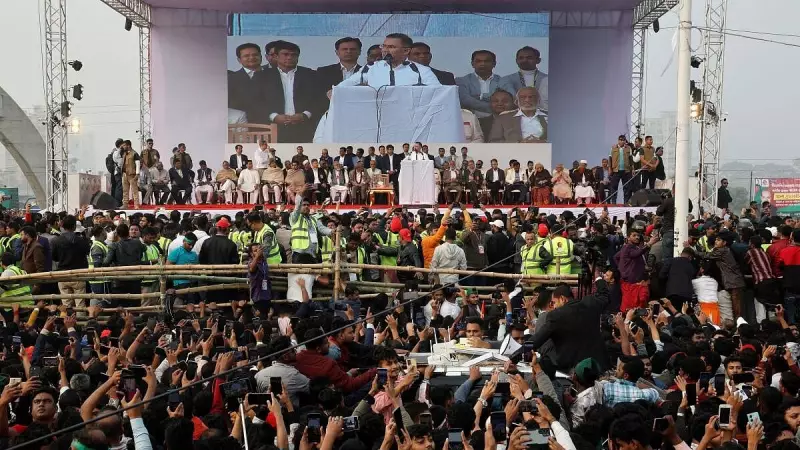
In a significant political moment, Tarique Rahman, the acting chairman of the Bangladesh Nationalist Party (BNP), directly addressed a massive gathering of supporters in Dhaka, marking a pivotal point in his long exile. The event, held on 25 December 2025, saw Rahman invoking the legacy of the late American civil rights icon, Martin Luther King Jr., to frame his vision for the future.
A Historic Return to the Political Forefront
After spending 17 years in exile, Rahman's virtual address to a sea of admirers in the capital was laden with symbolism and anticipation. The senior vice-chairman of the BNP, who is also the son of former Prime Minister Khaleda Zia, has been living abroad since 2008. His speech is widely seen as a crucial step in reconsolidating the party's base and outlining a roadmap for the opposition's strategy.
Rahman's choice to reference Martin Luther King Jr. was a calculated move to connect his personal and political struggle with a global narrative of justice and peaceful change. By echoing King's famous "I Have a Dream" speech with his own declaration of "I have a plan," Rahman signaled a shift from aspiration to concrete political action.

The Core Message and Political Implications
The address focused on unity and a structured strategy to overcome the current political challenges faced by the BNP. While the full details of his "plan" were not explicitly laid out in the brief report, the invocation itself serves as a powerful rallying cry. It positions Rahman as a leader with a deliberate and thoughtful approach to navigating Bangladesh's complex political landscape.
This public engagement from exile underscores the digital era's impact on political mobilization, allowing leaders to connect with grassroots supporters despite physical absence. The event also highlights the ongoing influence of the Zia family within the BNP and sets the stage for the party's future campaigns.
Looking Ahead: A Nation Watches
The December 2025 address has several immediate consequences. Firstly, it rejuvenates the BNP's supporter base with a message of hope and direction. Secondly, it firmly places Tarique Rahman at the center of the party's active leadership, despite his legal status and exile. Analysts will be watching closely to see how this declarative moment translates into on-ground political activity and whether it leads to any shifts in Bangladesh's domestic politics.
The speech, short on specific policy details but rich in symbolic weight, marks a new chapter in Rahman's political journey. It demonstrates his attempt to steer the party's narrative towards one of organized resistance and future-oriented planning, all under the shadow of his enduring exile and the legacy of his mother, Khaleda Zia.