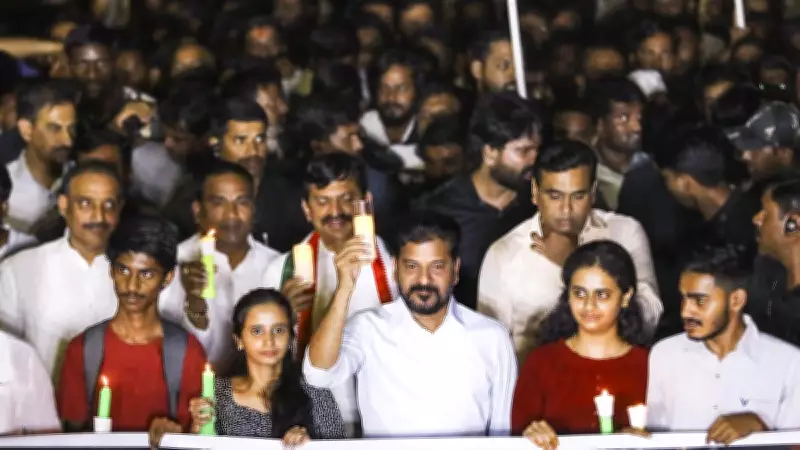
Telangana Chief Minister A Revanth Reddy has proposed lowering the minimum age requirement for contesting elections, a move aimed at increasing representation of Generation Z in electoral politics and policymaking bodies. The proposal, reported by SNV Sudhir, comes in the wake of recent protests at Jantar Mantar that showcased the political engagement of young Indians.
Reducing the Age Barrier
Currently, the minimum age to contest Lok Sabha and state assembly elections in India is 25 years. Revanth Reddy argued that this limit is outdated and prevents motivated young individuals from formally participating in governance. The Chief Minister said the Jantar Mantar protests had shown that Gen Z wants to contribute more to society, and the age limit should reflect their enthusiasm.
The proposal has sparked debate across political circles. Supporters argue that lowering the age would infuse fresh perspectives and energy into legislatures, while critics caution about maturity and experience. Reddy, however, emphasized that age is not a measure of capability, pointing to successful young leaders in other countries.

Gen Z Political Engagement
The Jantar Mantar protests, which drew thousands of young protesters from across India, demonstrated a rising trend of political activism among Gen Z. Issues ranging from climate change to employment opportunities mobilized youth who feel disconnected from traditional political processes. Reddy noted that these protests are evidence of a generation ready to take on political responsibilities.
Political analysts suggest that lowering the contest age could reshape India's political landscape. Parties may need to adapt their outreach strategies to attract younger candidates and address age-specific concerns such as education, digital rights, and gig economy regulations.
Impact on Policy and Representation
If implemented, the change would require amendments to the Constitution and the Representation of the People Act. The Telangana CM's proposal is likely to face scrutiny in Parliament, where similar bills have been introduced previously but not passed. However, Reddy's vocal support may reignite the national conversation.
Currently, individuals can vote at 18 but must wait seven years to contest elections. This gap, critics argue, disenfranchises a demographic that is directly affected by long-term policies. Lowering the contest age could create a more responsive political system that addresses the aspirations of the 450 million Indians under 25.
Political Reactions
Reactions from other parties have been mixed. The ruling Bharatiya Janata Party has not officially commented, while some opposition parties have welcomed the idea. Youth wings of various parties have expressed cautious optimism, noting that the measure could democratize access to political power.
Revanth Reddy, who leads the Telangana Congress government, has positioned himself as a champion of youth empowerment. His proposal aligns with broader efforts to increase youth participation in democratic processes, including lowering the voting age for local body elections.
The debate over the minimum age for contesting elections is expected to continue in the coming months. Reddy's call to 'Why wait till 25?' has resonated with many young Indians who feel that their political ambitions are being stifled by an arbitrary age line.